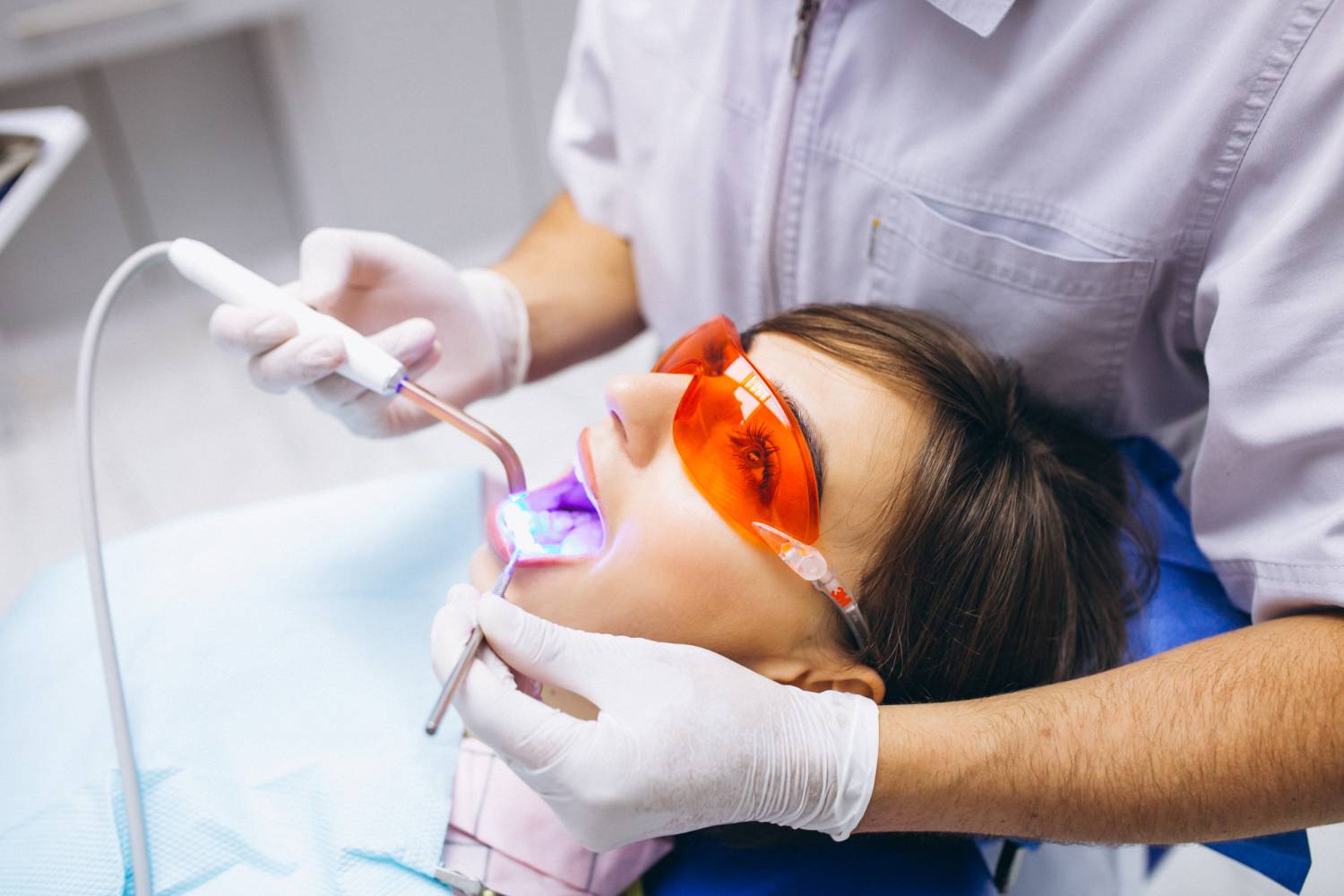

Dental Braces: 21 Powerful Benefits for a Perfect, Confident Smile

Dental Braces: 21 Powerful Benefits for a Perfect, Confident Smile

Introduction to Dental Braces
Dental braces are one of the most effective and trusted solutions for correcting misaligned teeth and improving oral health. Whether you’re dealing with crooked teeth, gaps, or bite issues, dental braces can help you achieve a perfectly aligned smile.
In fact, dental braces have evolved significantly over the years. Today, they are more comfortable, efficient, and aesthetically appealing than ever before. From traditional metal braces to modern invisible options, there is a solution for everyone.
What Are Dental Braces?
Dental braces are orthodontic devices used to align and straighten teeth. They apply continuous pressure over time to move teeth into the desired position.
Components of Dental Braces:
- Brackets (attached to teeth)
- Archwire (connects brackets)
- Bands or elastics (help in movement)
These components work together to gradually correct dental alignment.
Why Dental Braces Are Important
Dental braces are not just about aesthetics—they play a crucial role in improving oral health.
Key Reasons:
- Correct bite issues (overbite, underbite)
- Prevent tooth decay caused by misalignment
- Improve chewing and digestion
- Enhance speech clarity
Types of Dental Braces
Metal Braces
The most common and affordable type of dental braces.
Features:
- Highly effective
- Durable
- Suitable for all age groups
Ceramic Braces
These braces are tooth-colored, making them less noticeable.
Benefits:
- Aesthetic appeal
- Same effectiveness as metal braces
Lingual Braces
Placed behind the teeth, making them completely invisible.
Self-Ligating Braces
These use a special clip instead of elastics, reducing friction.
Benefits of Dental Braces
Straight Teeth
Dental braces effectively align crooked teeth, improving your smile.
Improved Oral Health
Properly aligned teeth are easier to clean, reducing the risk of cavities and gum disease.
Better Bite Alignment
Braces correct bite issues, preventing jaw pain and uneven wear.
Boosted Confidence
A straight smile enhances self-esteem and confidence.
Additional Benefits
- Prevent tooth damage
- Improve speech
- Enhance facial structure
- Long-lasting results
- Suitable for all ages
- Wide treatment options
- Affordable compared to alternatives
- Proven effectiveness
- Improve chewing ability
- Reduce jaw strain
- Correct severe misalignment
- Safe and reliable
- Customized treatment plans
- Better dental hygiene
- Increased comfort with modern braces
- Minimal maintenance
Dental Braces Treatment Process
Initial Consultation
Your dentist evaluates your teeth and creates a personalized treatment plan.
Placement of Braces
Brackets and wires are attached to your teeth.
Adjustments and Monitoring
Regular visits are required to tighten and adjust braces.
Retention Phase
After braces are removed, retainers help maintain results.
Care Tips for Dental Braces
Oral Hygiene Routine
- Brush after every meal
- Use floss and interdental brushes
- Rinse with mouthwash
Foods to Avoid
- Sticky foods
- Hard candies
- Chewing gum
Regular Dental Visits
Routine check-ups ensure smooth progress.
Common Problems and Solutions
Pain and Discomfort
Mild discomfort is normal after adjustments.
Solution:
- Use orthodontic wax
- Take pain relief if needed
Broken Brackets
Avoid hard foods to prevent damage.
Mouth Sores
Use saltwater rinses to reduce irritation.
Dental Braces vs Clear Aligners
Effectiveness
Braces are better for complex cases.
Appearance
Aligners are less visible.
Cost Comparison
| Feature | Dental Braces | Clear Aligners |
|---|---|---|
| Cost | Moderate | High |
| Visibility | Visible | Invisible |
| Maintenance | Moderate | Easy |
Cost of Dental Braces in India
Factors Affecting Cost
- Type of braces
- Treatment duration
- Clinic location
- Dentist expertise
Average Price Range
Dental braces in India typically cost between ₹20,000 to ₹1,00,000.
For more information, visit:
👉 https://www.ida.org.in/
Who Needs Dental Braces?
Signs You May Need Braces
- Crooked teeth
- Gaps between teeth
- Bite problems
- Difficulty chewing
- Speech issues
FAQs About Dental Braces
1. Are dental braces painful?
They may cause mild discomfort initially, but it subsides quickly.
2. How long do dental braces take?
Treatment usually lasts 12–24 months.
3. Can adults get dental braces?
Yes, braces are suitable for all age groups.
4. What foods should I avoid?
Avoid sticky, hard, and sugary foods.
5. How often should I visit the dentist?
Every 4–6 weeks for adjustments.
6. Do braces give permanent results?
Yes, with proper retainer use.
Conclusion
Dental braces remain one of the most reliable and effective ways to achieve a perfectly aligned smile. With advancements in orthodontics, they are now more comfortable and accessible than ever before.
If you’re looking to improve your smile and oral health, dental braces are a proven solution. Consult your dentist today and take the first step toward a confident, beautiful smile.
Related posts



Recent Posts