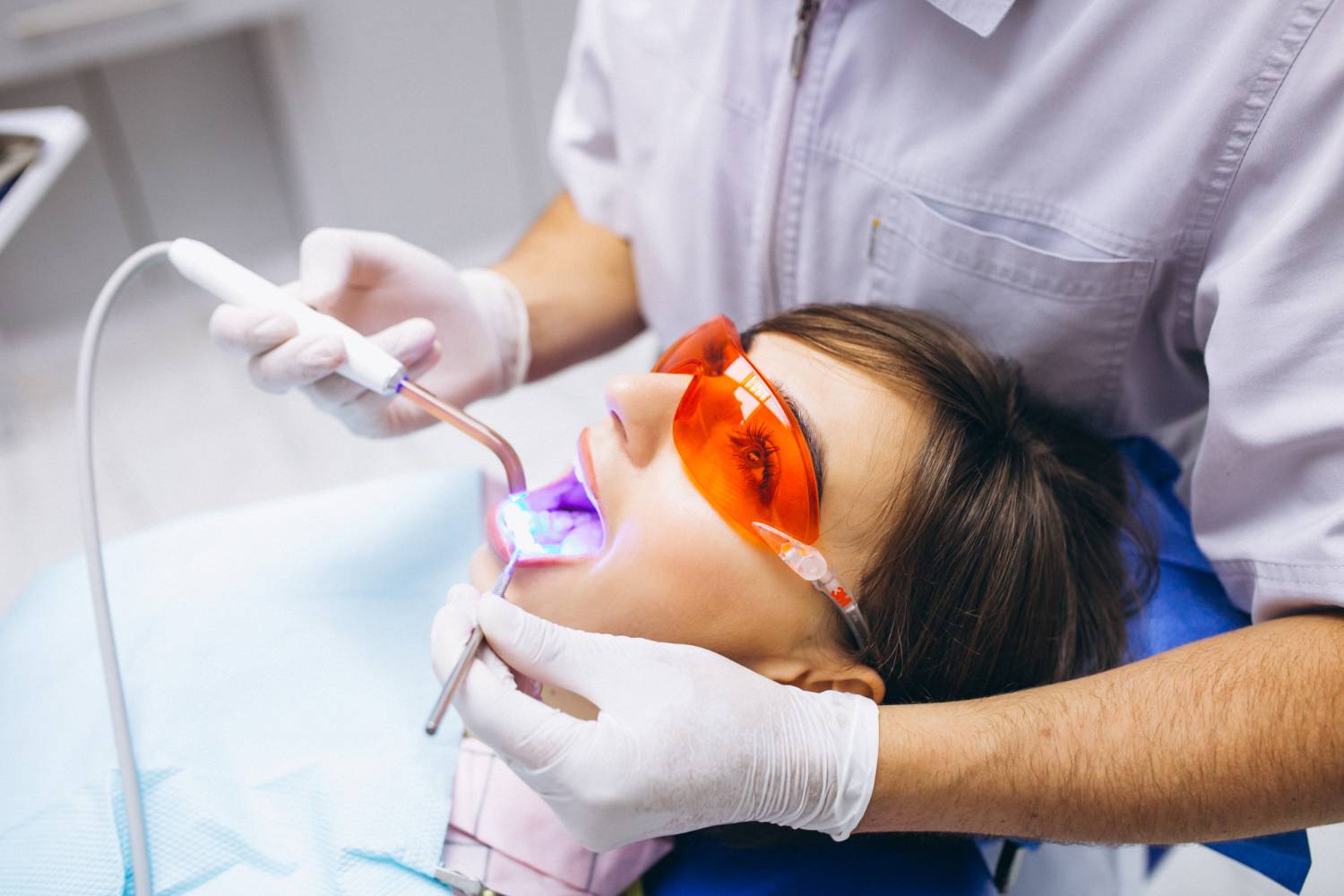

Preventive Dental Care vs Emergency Dental Treatment – Why Early Care Matters

Preventive Dental Care vs Emergency Dental Treatment – Why Early Care Matters

Most people do not think about visiting a dentist until pain becomes unbearable. A small cavity gets ignored for months, gums start bleeding during brushing, or sensitivity suddenly turns into sleepless nights. That is when emergency dental treatment enters the picture. The problem is that by the time pain appears, the damage has often progressed much deeper than expected.
According to the World Health Organization, oral diseases affect nearly 3.7 billion people globally, and most dental conditions are largely preventable with proper care and early treatment. This shows how common dental neglect has become across the world. Preventive care is not just about cleaning teeth. It is about protecting your overall health, confidence, comfort, and quality of life. Emergency treatment, on the other hand, is reactive. It becomes necessary when there is severe pain, trauma, infection, swelling, or sudden tooth damage that cannot wait.
Table of Contents
At Miracle Dental Clinic Pune, the focus is on helping patients maintain healthy smiles before problems escalate into emergencies. Their approach combines routine dental care, advanced treatment methods, and patient education to create long-term oral wellness.
Understanding the Difference Between Preventive and Emergency Dental Care
What Is Preventive Dental Care?
Preventive dental care focuses on maintaining healthy teeth and gums through regular checkups, cleanings, screenings, fluoride treatments, and oral hygiene guidance. Think of it like routine servicing for a car. You do not wait for the engine to fail before getting it checked. The same logic applies to your teeth. Regular maintenance prevents serious breakdowns later.
A preventive dental visit usually includes professional cleaning, cavity detection, gum examination, digital X-rays if necessary, and advice on brushing and flossing techniques. Dentists can identify hidden problems before they become painful. Tiny cavities can be filled early. Gum inflammation can be reversed before it damages the bone. Weak enamel can be strengthened with fluoride treatment. These small interventions save patients from major procedures later.
The WHO also highlights that untreated tooth decay is one of the most common health conditions globally. That statistic alone explains why prevention matters so much. Many patients ignore early warning signs because there is no pain yet. Unfortunately, dental problems rarely disappear on their own. They quietly worsen underneath the surface until emergency care becomes unavoidable.
What Counts as a Dental Emergency?
Emergency dental treatment becomes necessary when there is immediate pain, trauma, swelling, infection, bleeding, or damage affecting oral function. This includes severe toothaches, knocked-out teeth, broken crowns, dental abscesses, jaw injuries, or uncontrolled bleeding after trauma. Unlike preventive care, emergency treatment focuses on quick relief and stabilization.
Imagine waking up in the middle of the night with throbbing tooth pain spreading into your jaw and ear. Eating becomes impossible. Sleeping feels unbearable. In many cases, that emergency started as a minor untreated cavity months earlier. Emergency treatments may involve root canal therapy, tooth extraction, drainage of infection, temporary restorations, or urgent surgical procedures.
While emergency dentistry is essential, it often involves higher costs, longer recovery periods, and more invasive procedures. Patients also experience emotional stress and disruption to daily life. Nobody plans for dental emergencies during workdays, vacations, family events, or exams. Preventive dentistry minimizes the risk of these unexpected situations and gives patients peace of mind.
Why Preventive Dentistry Is the Smarter Long-Term Choice
Early Detection Saves Teeth
One of the biggest advantages of preventive dentistry is early diagnosis. Dentists can spot tiny signs of trouble long before patients feel pain. A small cavity detected during a routine exam may only require a simple filling. Ignore that same cavity for a year, and it may reach the tooth nerve, requiring root canal treatment or extraction.
This early intervention protects your natural teeth. Once a tooth is severely damaged or lost, replacing it often requires implants, bridges, or dentures. Natural teeth are always better than artificial replacements. Preventive care helps preserve them for life.
Routine examinations also allow dentists to detect gum disease in its earliest stages. Bleeding gums are often dismissed as harmless, but they can signal developing periodontal disease. If untreated, gum disease can cause tooth mobility, bone loss, bad breath, and eventually tooth loss. Preventive cleanings remove plaque and tartar buildup before irreversible damage occurs.
Research shared by WHO shows that severe gum disease affects over one billion people worldwide. That number highlights how widespread oral neglect can become when preventive habits are ignored.
Routine Care Reduces Financial Burden
Many people avoid dental visits because they think preventive care is expensive. Ironically, skipping regular checkups often leads to much higher costs later. A routine cleaning and examination cost far less than root canal treatment, wisdom tooth surgery, crowns, or dental implants.
Preventive dentistry is an investment that saves money over time. It helps patients avoid repeated emergency visits, hospital expenses, missed workdays, and long-term restorative procedures. Emergency treatments also tend to require multiple appointments and recovery time. Preventive care reduces both financial strain and inconvenience.
There is also an emotional cost attached to emergency dental treatment. Severe pain creates anxiety and fear. Patients often delay eating, avoid smiling, or lose confidence because of visible dental issues. Routine dental visits provide reassurance and reduce the likelihood of stressful emergencies.
Common Dental Problems That Start Small but Become Emergencies
Cavities and Tooth Decay
A cavity rarely becomes painful overnight. It usually starts as minor enamel damage caused by plaque, bacteria, and sugar exposure. During the early stage, patients may not notice anything at all. This is why routine dental exams are critical. Dentists can identify decay before it reaches deeper tooth layers.
Once decay reaches the tooth pulp, infection develops. Pain intensifies, chewing becomes difficult, and swelling may appear. At this stage, emergency treatment is often necessary. Many emergency root canals originate from untreated cavities that could have been managed easily months earlier.
Preventive care stops this cycle before it begins. Professional cleanings remove plaque buildup, fluoride strengthens enamel, and dentists provide guidance on reducing sugar intake. Small habits create enormous long-term benefits.
Gum Disease and Infection
Gum disease often begins silently with redness, swelling, or mild bleeding while brushing. Patients commonly ignore these symptoms because there is little discomfort initially. Over time, bacteria spread beneath the gums and attack supporting bone structures.
Advanced gum infections can cause loose teeth, persistent bad breath, pus formation, and severe swelling. In extreme cases, infections may spread into surrounding tissues and create serious health complications. Emergency treatment may include deep cleaning, antibiotics, drainage procedures, or surgical intervention.
The connection between oral health and overall health is also significant. WHO reports links between gum disease and conditions like diabetes and cardiovascular disease. Maintaining healthy gums is not just about your smile. It affects your entire body.
Cracked or Broken Teeth
Sometimes patients ignore minor tooth fractures because there is no immediate pain. However, cracks can allow bacteria to enter the inner tooth structure. Over time, infection develops, leading to sensitivity and severe discomfort.
Preventive dental visits allow dentists to identify structural weaknesses before fractures worsen. Protective treatments such as crowns, night guards, or bonding can prevent major damage later. Emergency dental trauma often feels sudden, but underlying weakness may have existed for months.
The Real Cost of Ignoring Dental Checkups
Physical Pain and Emotional Stress
Dental emergencies do not just affect the mouth. They disrupt daily life. Severe tooth pain can interfere with sleep, work performance, concentration, and emotional well-being. Patients often feel frustrated, anxious, and embarrassed about their condition.
Imagine trying to attend an important meeting while dealing with unbearable tooth pain. Even simple tasks like eating or speaking become difficult. Many people underestimate how strongly oral pain affects mental health and confidence.
A report highlighted by The Guardian discussed how lack of timely dental access pushed some patients toward dangerous self-treatment because of unbearable pain. That shows how serious neglected dental issues can become when prevention and early care are ignored.
Impact on Overall Health
Oral health is deeply connected to overall health. Bacteria from infected gums may enter the bloodstream and contribute to systemic inflammation. Studies continue to explore links between oral disease and conditions such as heart disease, diabetes, respiratory infections, and pregnancy complications.
Preventive dentistry supports the entire body, not just the teeth. Healthy gums reduce inflammation. Proper chewing supports digestion. Pain-free teeth improve nutrition and confidence. Oral health influences social interaction, self-esteem, and even professional communication.
Preventive Dental Services That Protect Your Smile
Regular Dental Checkups
Routine checkups are the foundation of preventive dentistry. Most dentists recommend visits every six months, although some patients may require more frequent care depending on their condition.
During these appointments, dentists examine teeth, gums, bite alignment, restorations, and oral tissues. Small problems can be treated immediately before they become major concerns. Patients also receive personalized advice based on their oral hygiene habits and risk factors.
Professional Teeth Cleaning
Even excellent brushing cannot remove hardened tartar completely. Professional cleanings eliminate plaque and tartar buildup from difficult areas, reducing the risk of cavities and gum disease.
Teeth cleaning also improves breath freshness and removes surface stains. Many patients are surprised by how much cleaner and healthier their mouth feels after a professional cleaning session.
Fluoride and Sealants
Fluoride treatments strengthen enamel and help prevent cavities, especially in children and patients with higher decay risk. Dental sealants provide an extra protective layer on chewing surfaces where food particles commonly get trapped.
These treatments are simple, painless, and highly effective in preventing future dental damage.
Digital X-Rays and Oral Screening
Some dental problems remain invisible during regular visual examination. Digital X-rays help detect hidden cavities, bone loss, impacted teeth, and infections before symptoms appear.
Routine oral cancer screenings are equally important. Early detection significantly improves treatment outcomes. Preventive visits allow dentists to monitor changes in oral tissues and address concerns quickly.
Emergency Dental Treatments and When You Need Them
Severe Toothache and Swelling
Persistent pain usually signals deeper infection or nerve involvement. Swelling around the gums or jaw should never be ignored because infections can spread rapidly.
Emergency dentists focus on relieving pain, controlling infection, and preserving the affected tooth whenever possible. Delaying treatment can worsen complications significantly.
Dental Trauma and Accidents
Sports injuries, falls, or accidents may cause fractured, displaced, or knocked-out teeth. Immediate treatment greatly increases the chances of saving the tooth.
Emergency dental clinics often provide stabilization, splinting, restorations, or surgical treatment depending on the severity of trauma.
Abscesses and Infections
Dental abscesses are serious infections that create pus accumulation near the tooth or gums. Symptoms may include swelling, fever, severe pain, foul taste, and difficulty swallowing.
These infections require urgent treatment because bacteria can spread into surrounding tissues and bloodstream. Emergency care may include drainage, antibiotics, or root canal treatment.
Preventive Dental Care for Children and Families
Building Healthy Habits Early
Children who learn proper oral hygiene habits early are more likely to maintain healthy smiles as adults. Preventive pediatric dentistry focuses on education, monitoring growth, fluoride protection, and cavity prevention.
Parents should encourage regular brushing, healthy eating habits, and routine dental visits from a young age. Early positive experiences also reduce dental anxiety later in life.
A recent AIIMS Raipur study found that 93% of children with special healthcare needs required dental intervention, many having never received preventive care before. This highlights the importance of routine oral care for every child.
The Role of Parents in Oral Health
Parents play a massive role in shaping dental habits. Children often imitate what they see at home. If parents prioritize oral hygiene and regular checkups, children naturally view dental care as a normal part of life.
Limiting sugary snacks, encouraging water over soft drinks, and supervising brushing routines can prevent years of future dental problems.
How Lifestyle Choices Affect Dental Health
Sugar, Tobacco, and Poor Hygiene
Frequent sugar consumption feeds harmful bacteria that produce acid and damage enamel. Tobacco products increase the risk of gum disease, tooth discoloration, and oral cancer.
Poor brushing and flossing habits allow plaque accumulation, eventually leading to decay and gum infection. WHO identifies sugar consumption, tobacco use, alcohol use, and poor hygiene as major oral disease risk factors.
Stress and Teeth Grinding
Stress affects oral health more than many people realize. Teeth grinding, jaw clenching, and poor sleep can damage enamel and create jaw pain. Dentists can identify signs of grinding early and recommend protective night guards before serious wear develops.
Lifestyle counseling and preventive monitoring help reduce long-term complications associated with stress-related dental damage.
Choosing the Right Dental Clinic in Pune
Importance of Experienced Dental Professionals
Selecting the right dental clinic is crucial for both preventive and emergency care. Experienced dentists provide accurate diagnosis, gentle treatment, and personalized care plans tailored to individual needs.
At Miracle Dental Clinic Pune, patients receive comprehensive dental care focused on prevention, comfort, and long-term oral wellness. The clinic offers advanced dental treatments with a patient-centered approach designed to reduce fear and improve outcomes.
Modern Technology and Patient Comfort
Modern dental technology improves accuracy, comfort, and treatment efficiency. Digital imaging, advanced sterilization, painless procedures, and patient education tools create a better experience overall.
Conclusion
Preventive dental care and emergency dental treatment serve very different purposes, but one clearly offers greater long-term benefits. Preventive dentistry protects your teeth before serious damage occurs. It saves money, reduces pain, lowers stress, and preserves your natural smile for years. Emergency treatment becomes necessary when dental problems are ignored until they reach a painful or dangerous stage.
A healthy smile is built through consistency, not crisis management. Small habits like regular checkups, proper brushing, professional cleanings, and early intervention create powerful lifelong results. Waiting until pain appears often means the problem has already advanced significantly.
FAQs
1. How often should I visit the dentist for preventive care?
Most people should schedule dental checkups every six months. Patients with gum disease, braces, diabetes, or higher cavity risk may require more frequent visits.
2. What is the biggest difference between preventive and emergency dental treatment?
Preventive care focuses on stopping problems before they become serious, while emergency treatment addresses sudden pain, trauma, swelling, or infection after damage has already occurred.
3. Can preventive dental care really save money?
Yes. Routine cleanings and early treatments cost far less than root canals, tooth extractions, implants, or emergency procedures caused by neglected dental issues.
4. What are common signs that I should not ignore?
Bleeding gums, sensitivity, persistent bad breath, swelling, tooth pain, or loose teeth should always be evaluated by a dentist promptly.
Related posts


Recent Posts

Best Foods for Strong Teeth and Healthy Gums

Why Do My Teeth Hurt? Common Causes and Solutions

Preventive Dentistry in Pune: Simple Steps for Healthier Teeth