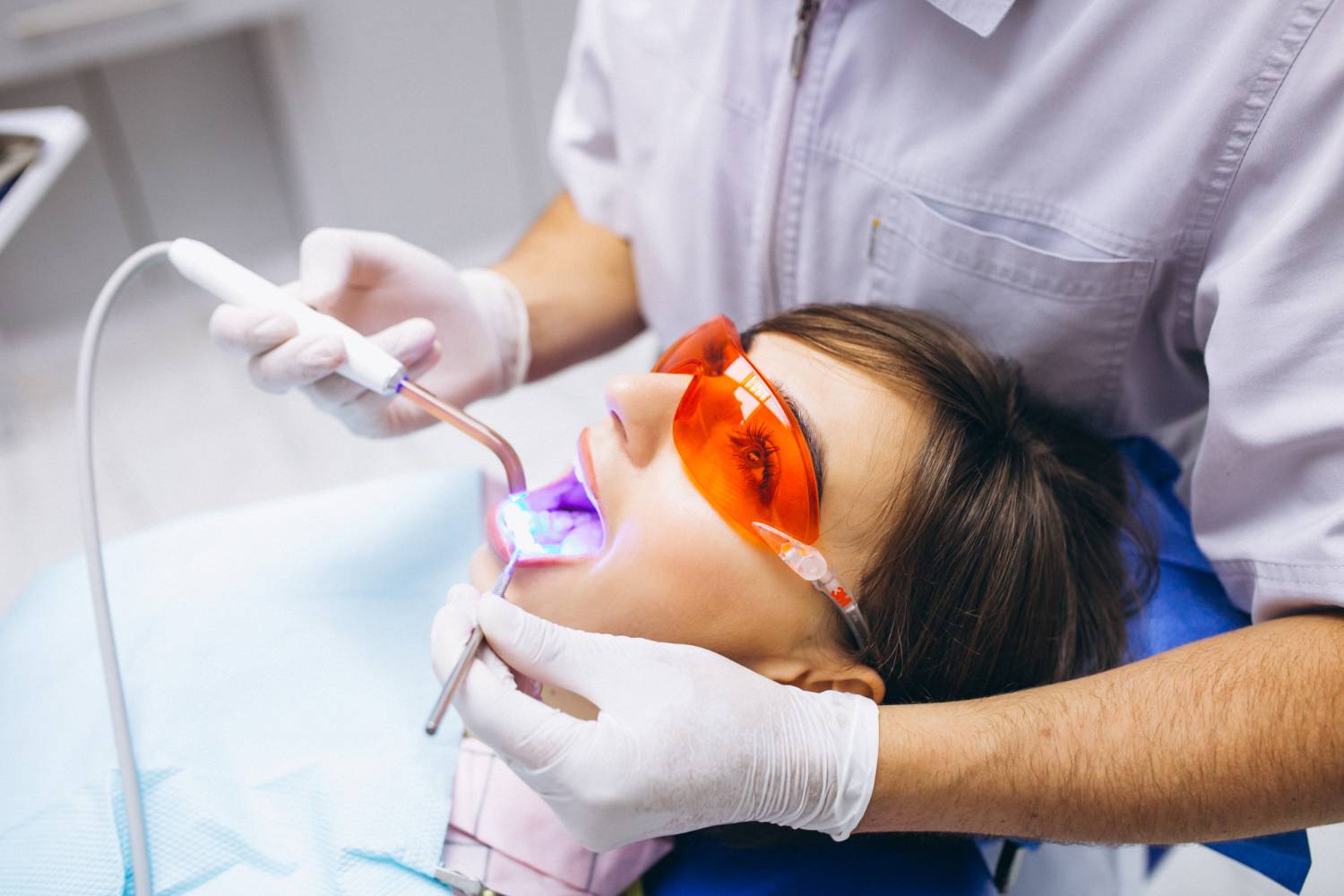

Why Do My Teeth Hurt? Common Causes and Solutions
Why Do My Teeth Hurt? Common Causes and Solutions

Why do my Teeth Hurt? Discover common causes of tooth pain, sensitivity, cavities, gum problems and orthodontic discomfort, plus when to see a dentist in Pune. Tooth pain can start suddenly or develop gradually. Sometimes it is a mild sensitivity when drinking something cold, while in other cases it can become a sharp, persistent pain that makes eating, sleeping, or even concentrating difficult.
But why do my teeth hurt? Tooth pain can have several causes, including cavities, tooth sensitivity, gum problems, cracked teeth, dental infections, worn enamel, or orthodontic treatment.
Table of Contents
Understanding the possible cause is important because the right solution depends on what is causing the pain. If your tooth pain continues, becomes severe, or is associated with swelling or fever, it is important to consult a qualified dentist rather than relying only on home remedies.
For patients looking for a Dentist in Pune, Dental Clinic in Pune, or Viman Nagar Dentist, professional dental evaluation can help identify the cause and provide appropriate treatment.
What Causes Tooth Pain?
Tooth pain occurs when the nerves or tissues inside or around a tooth become irritated or inflamed. The pain can feel different depending on its cause.
Common symptoms may include:
- Sharp pain while biting
- Sensitivity to hot or cold foods
- Throbbing toothache
- Pain while chewing
- Gum tenderness
- Swelling around a tooth
- Pain that comes and goes
- Persistent dental discomfort
Let’s look at some of the most common causes.
1. Tooth Decay and Cavities
One of the most common causes of toothache is dental decay.
When bacteria in the mouth interact with sugars and carbohydrates, acids can gradually damage the tooth structure. If decay progresses deeper into the tooth, it can reach the sensitive inner layers and cause pain.
You may notice:
- Sensitivity to sweets
- Cold sensitivity
- Pain while eating
- Visible holes or dark areas
- Persistent toothache
Early cavities may not cause obvious symptoms, which is why regular dental check-ups are important.
A Dentist in Pune can examine the tooth and determine whether preventive care, a filling, or another treatment is appropriate.
2. Tooth Sensitivity
Does your tooth hurt when you drink cold water or eat ice cream?
You may be experiencing tooth sensitivity.
Sensitivity can occur when the protective enamel becomes thinner or when the underlying dentin becomes exposed. Gum recession can also expose sensitive areas of the tooth.
Common triggers include:
- Cold drinks
- Hot beverages
- Sweet foods
- Acidic foods
- Cold air
- Brushing
Treatment depends on the underlying cause. A dentist may recommend suitable toothpaste, changes in brushing technique, or professional treatment when necessary.
3. Gum Disease
Tooth pain does not always originate inside the tooth. Problems affecting the gums can also cause discomfort.
Gum disease may cause:
- Red or swollen gums
- Bleeding while brushing
- Bad breath
- Gum tenderness
- Gum recession
- Loose teeth in advanced cases
If gum problems are ignored, they may affect the tissues supporting your teeth.
Regular dental cleaning, good oral hygiene, and professional dental evaluation can help manage gum-related concerns.
4. Cracked or Damaged Teeth
A cracked tooth can cause sharp pain, particularly while biting or releasing your bite.
A crack may develop because of:
- Dental trauma
- Biting hard foods
- Teeth grinding
- Large existing fillings
- Normal wear over time
Some cracks may be difficult to see without a professional examination.
If you experience sudden pain while chewing that disappears after you stop biting, consult a dentist for an evaluation.
5. Dental Infection
A deep cavity, crack, or untreated dental problem can sometimes lead to infection of the tooth’s inner tissues.
Possible warning signs include:
- Severe toothache
- Swelling around the tooth
- Sensitivity
- Pain while chewing
- Bad taste in the mouth
- Fever or feeling unwell
A suspected dental infection should not be ignored. Prompt professional dental care is important because dental infections can become more serious if left untreated.
6. Wisdom Teeth
Wisdom teeth can sometimes cause pain when they do not have enough space to erupt properly.
You may experience:
- Pain at the back of the mouth
- Swollen gums
- Jaw discomfort
- Difficulty opening your mouth
- Food getting trapped around the tooth
A dentist can assess the position of the wisdom tooth and determine whether monitoring or treatment is appropriate.
7. Teeth Grinding and Jaw Clenching
Do you wake up with jaw pain or sensitive teeth?
Grinding or clenching your teeth, particularly during sleep, can put excessive pressure on your teeth and jaw.
Possible symptoms include:
- Morning jaw discomfort
- Headaches
- Tooth sensitivity
- Flattened or worn teeth
- Facial muscle soreness
A dentist can evaluate signs of excessive tooth wear and discuss suitable management options.
8. Orthodontic Treatment
If you recently started braces or aligner treatment, some tooth discomfort can be expected.
Braces and aligners gradually apply controlled forces to move teeth into their planned positions. This can cause temporary pressure or tenderness, particularly after adjustments or when starting a new aligner.
However, severe, persistent, or unusual pain should not simply be ignored.
If you are undergoing orthodontic treatment, your orthodontist can determine whether the discomfort is part of normal tooth movement or requires an adjustment.
Tooth Pain While Wearing Aligners
Clear aligners are designed to gradually move teeth, and mild pressure or tenderness may occur when beginning a new set.
However, if an aligner is causing significant discomfort, does not fit properly, or is irritating your gums, contact your orthodontic provider.
For people considering clear aligner treatment, consulting an Aligner Specialist in Pune can help determine whether aligners are appropriate for their dental and orthodontic needs.
What Can I Do for Teeth Hurt Pain at Home?
Home care can provide temporary comfort, but it does not necessarily treat the underlying cause.
You can consider:
- Rinsing your mouth gently with warm salt water
- Maintaining regular but gentle brushing
- Flossing carefully to remove trapped food
- Avoiding extremely hot, cold, or sugary foods if they trigger pain
- Drinking adequate water
- Avoiding chewing hard foods with the painful tooth
Do not place aspirin or other medication directly against your tooth or gums unless specifically instructed by a dental professional.
If the pain continues, schedule a dental examination.
When Should I See a Dentist?
Not every toothache is an emergency, but persistent or worsening pain should be evaluated.
You should seek professional dental care if you experience:
- Tooth pain lasting more than a short period
- Severe or worsening pain
- Facial or gum swelling
- Fever
- Difficulty swallowing
- Pain while biting
- Persistent sensitivity
- A broken or cracked tooth
- Bleeding or swollen gums
- A loose permanent tooth
Facial swelling, difficulty breathing or swallowing, or rapidly worsening symptoms require urgent medical/dental attention.
How Can Tooth Pain Be Prevented?
Good oral hygiene can reduce the risk of many common dental problems.
Brush Twice a Day
Use a soft-bristled toothbrush and fluoride toothpaste. Brush gently rather than applying excessive pressure.
Clean Between Your Teeth
Floss or use another appropriate interdental cleaning method to remove plaque and food particles from areas your toothbrush cannot reach.
Limit Frequent Sugary Foods and Drinks
Frequent sugar exposure can increase the risk of tooth decay.
Schedule Regular Dental Check-Ups
Routine dental examinations can help identify problems before they become painful or more difficult to treat.
Protect Your Teeth
If you participate in contact sports, consider appropriate mouth protection. If you grind your teeth, discuss it with your dentist.
Why Regular Dental Check-Ups Matter Teeth Hurt
Many dental problems can develop without causing noticeable pain in the early stages.
A routine dental examination may help identify:
- Early tooth decay
- Gum problems
- Damaged fillings
- Tooth wear
- Cracks
- Bite-related concerns
- Orthodontic issues
Early identification can allow appropriate treatment before a minor issue develops into a more complicated dental problem.
Dental and Orthodontic Care in Viman Nagar, Pune
If you are searching for a Dental Clinic in Pune, Dentist in Pune, or Viman Nagar Dentist, professional evaluation is important when tooth pain persists.
Miracle Health Care Zone Dental Clinic | Aligner Specialist | Dr. Varsha Merani focuses on dental and orthodontic care, including orthodontic treatment and clear aligner-related consultations.
If you are specifically searching for an Orthodontist in Pune, Orthodontist Near Me, Braces Specialist Near Me, or Braces Specialist in Viman Nagar, a professional orthodontic consultation can help assess your teeth alignment, bite, and treatment requirements.
The appropriate treatment should always be determined after examining the individual patient’s dental condition.
Final Thoughts
Why do my teeth hurt? There can be many answers, from tooth sensitivity and cavities to gum disease, cracks, infections, wisdom teeth, grinding, or orthodontic treatment.
Temporary home care may provide some comfort, but persistent tooth pain should not be ignored. Finding the underlying cause is the key to choosing the right treatment.
If you are experiencing tooth pain or looking for professional dental and orthodontic care, Miracle Health Care Zone Dental Clinic | Aligner Specialist | Dr. Varsha Merani can be considered for dental consultation in Pune.
Whether you are searching for a Braces Specialist Near Me, Braces Specialist in Viman Nagar, Orthodontist in Pune, Orthodontist Near Me, Dentist in Pune, Dental Clinic in Pune, Viman Nagar Dentist, Dental Care in Pune, Braces in Pune, or Aligner Specialist in Pune, professional assessment is the best way to understand your individual dental needs
Frequently Asked Questions About Tooth Pain
Why do my teeth hurt when I drink cold water?
Cold sensitivity can occur when enamel is worn or when dentin becomes exposed. Gum recession, cavities, cracks, and other dental conditions can also cause sensitivity. Persistent sensitivity should be evaluated by a dentist.
Why does my tooth hurt when I bite?
Pain while biting can be associated with cavities, cracks, inflammation around the tooth, or other dental problems. A dental examination is needed to determine the exact cause.
Can a cavity cause tooth pain?
Yes. As tooth decay progresses, it can affect deeper parts of the tooth and cause sensitivity or pain.
Can braces make your teeth hurt?
Mild tenderness or pressure can occur after braces are placed or adjusted because the teeth are gradually moving. Severe or persistent pain should be discussed with your orthodontist.
Can aligners cause tooth pain?
Mild pressure or tenderness may occur when starting a new aligner. Significant pain, gum injury, or an aligner that does not fit correctly should be assessed by your orthodontic provider.
Is tooth pain always caused by a cavity?
No. Tooth pain can also result from sensitivity, gum disease, cracks, grinding, infection, wisdom teeth, orthodontic movement, and other conditions.
Should I ignore a toothache if it goes away?
It is better not to assume that the problem has disappeared. Some dental problems can cause intermittent symptoms. If pain repeatedly returns, a dental check-up can help identify the cause.
Related posts


Recent Posts

Best Foods for Strong Teeth and Healthy Gums

Why Do My Teeth Hurt? Common Causes and Solutions

Preventive Dentistry in Pune: Simple Steps for Healthier Teeth