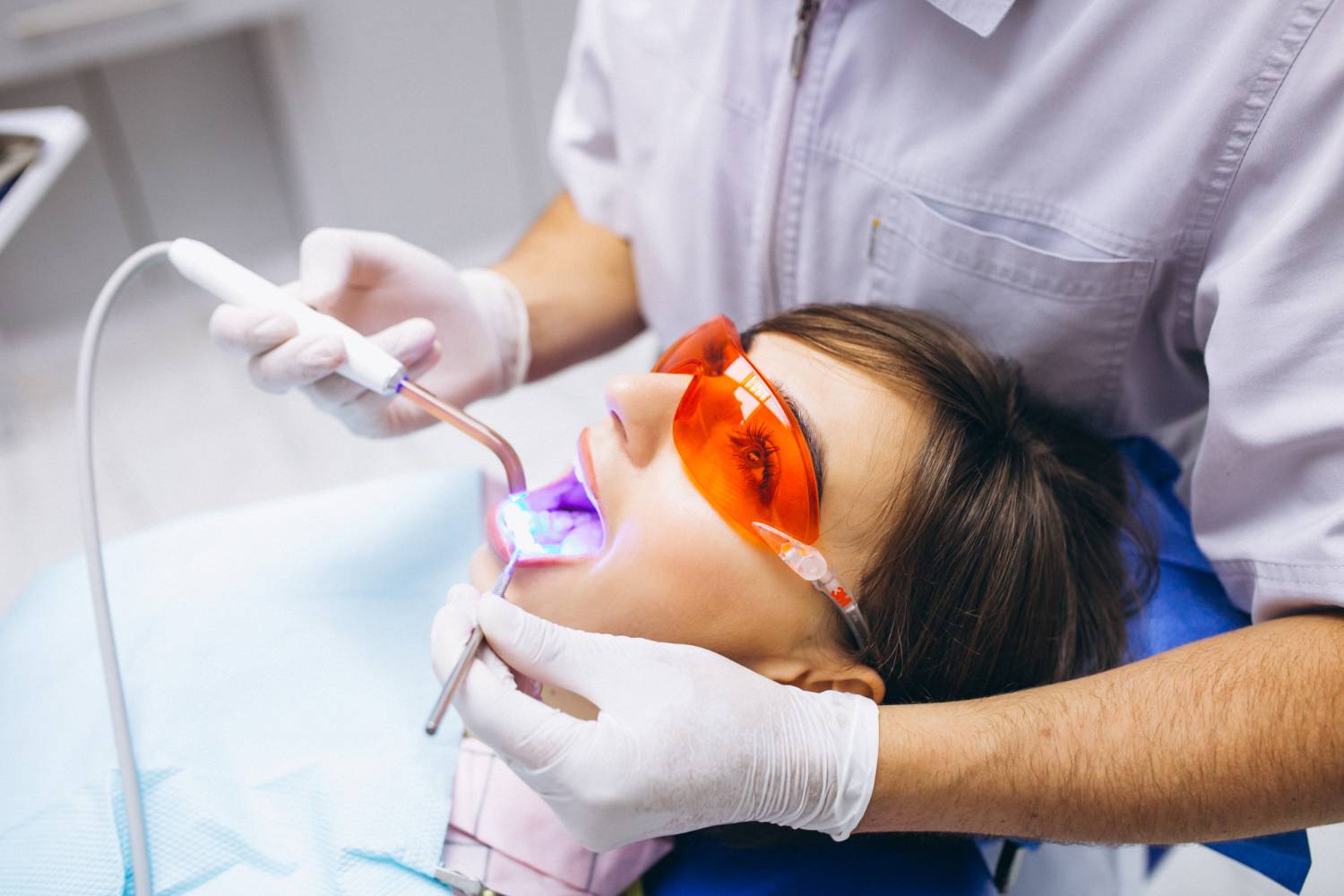

Best Foods for Strong Teeth and Healthy Gums

Best Foods for Strong Teeth and Healthy Gums

Discover the Best Foods for strong teeth and healthy gums, including calcium-rich foods, vegetables, whole fruits and water. Dentist Pune Your diet plays an important role in maintaining strong teeth and healthy gums. Brushing twice a day, cleaning between your teeth, and visiting your dentist regularly are essential, but the foods and drinks you consume can also influence your oral health.
Some foods provide nutrients that support healthy teeth and gums, while frequent consumption of sugary or acidic foods and drinks can increase the risk of tooth decay and enamel erosion.
Table of Contents
A balanced diet containing calcium, phosphorus, protein, vitamins, minerals, and plenty of water can support your overall oral health.
If you are experiencing tooth pain, bleeding gums, sensitivity, cavities, or other dental concerns, professional dental evaluation can help identify the cause and recommend appropriate care.
For patients searching for a Dentist in Pune, Dental Clinic in Pune, or Viman Nagar Dentist, regular dental check-ups combined with good daily habits can help maintain a healthier smile.
Why Is Food Important for Dental Health?
Your teeth and gums need essential nutrients to remain healthy. Certain foods can support enamel strength, saliva production, gum health, and the tissues surrounding your teeth.
On the other hand, frequent exposure to sugar and acids can increase the risk of dental problems.
A tooth-friendly diet should focus on:
- Nutrient-rich foods
- Adequate calcium and phosphorus
- Fresh fruits and vegetables
- Protein-rich foods
- Plenty of water
- Limiting frequent sugary snacks and drinks
Good nutrition does not replace brushing or professional dental care, but it can be an important part of your overall oral-health routine.
1. Milk and Other Dairy Products
Milk is a good source of calcium and other nutrients that support teeth and bones.
Other dairy foods such as plain yoghurt and cheese can also be useful additions to a balanced diet.
Cheese can also stimulate saliva production and may help reduce the effects of acids in the mouth when eaten as part of a meal.
Choose plain or low-sugar options when possible.
2. Cheese
Cheese can be a tooth-friendly snack because it provides calcium and phosphorus, nutrients involved in maintaining tooth structure.
It can also stimulate saliva flow, which naturally helps wash away food particles and neutralise acids in the mouth.
Instead of frequently choosing sugary snacks between meals, a small portion of cheese can be a practical alternative.
3. Plain Yoghurt
Plain yoghurt can provide calcium and protein while being relatively low in added sugar.
When selecting yoghurt, check the nutrition label because some flavoured varieties can contain considerable amounts of added sugar.
For better dental health, choose unsweetened or lower-sugar options where appropriate.
4. Leafy Green Vegetables
Vegetables such as spinach, broccoli, kale, and other leafy greens provide vitamins, minerals, and fibre.
Fibre-rich vegetables can also encourage chewing and saliva production, which contributes to the mouth’s natural cleaning process.
Adding a variety of vegetables to your meals can support both oral and overall health.
5. Crunchy Vegetables
Carrots, cucumbers, and other crunchy vegetables require chewing and can stimulate saliva production.
They are also generally lower in added sugars than many processed snack foods.
Instead of relying on packaged snacks between meals, fresh vegetables can be a healthier choice for your overall diet.
6. Apples and Other Whole Fruits
Whole fruits provide vitamins, minerals, fibre, and water.
Apples, pears, and similar firm fruits require chewing and can stimulate saliva production.
However, fruit still contains naturally occurring sugars and some fruits are acidic. It is better to eat whole fruit as part of a balanced diet rather than continuously snacking on fruit throughout the day.
Whole fruit is generally preferable to fruit juice for dental health because juice can contain concentrated sugars and acids.
7. Nuts and Seeds
Nuts and seeds can provide protein, minerals, and healthy fats.
Options such as almonds and other unsweetened nuts can be useful snacks when eaten appropriately.
Choose plain varieties rather than products coated with sugar or sticky sweeteners.
Also avoid biting extremely hard foods if you have weak, cracked, or damaged teeth.
8. Eggs
Eggs provide protein and several nutrients that contribute to a balanced diet.
Protein is important for maintaining tissues throughout the body, including those associated with oral health.
Eggs can easily be included in breakfast or meals as part of a balanced diet.
9. Fish
Certain fish provide protein and nutrients such as vitamin D, depending on the type.
Vitamin D plays an important role in calcium metabolism and bone health.
Including nutritious protein sources such as fish as part of a balanced diet can support overall health, including the structures that support your teeth.
10. Beans and Lentils
Beans, lentils, and other legumes provide protein, fibre, and minerals.
They are versatile foods that can be included in soups, salads, curries, and other meals.
For good oral health, choose preparations that are not heavily sweetened or excessively sticky.
11. Water
Water is one of the simplest and most important choices for maintaining good oral health.
Drinking water can help:
- Wash away food particles
- Support saliva production
- Reduce dry-mouth discomfort
- Dilute acids and sugars left in the mouth
If your local water supply contains fluoride, drinking it may also contribute to fluoride exposure, depending on the local fluoride level.
Water is generally a better everyday beverage choice than sugary soft drinks and sweetened beverages.
Foods and Drinks to Limit for Healthy Teeth
Knowing what to limit can be just as important as knowing what to eat.
Sugary Foods
Frequent consumption of sugary foods can increase the risk of tooth decay because oral bacteria use sugars to produce acids that can damage tooth enamel.
Try to limit frequent snacking on:
- Candies
- Chocolates
- Cakes
- Biscuits
- Sweetened cereals
- Sugary desserts
The frequency of sugar exposure matters, so constant snacking throughout the day can be particularly problematic.
Sugary Drinks
Soft drinks, energy drinks, sweetened juices, and other sugary beverages can expose your teeth to both sugar and, in some cases, acids.
Choose water more often and avoid sipping sugary beverages continuously over long periods.
Acidic Foods and Drinks
Acidic foods and drinks can contribute to enamel erosion when consumed frequently.
Examples include:
- Soft drinks
- Sports drinks
- Energy drinks
- Certain fruit juices
- Citrus-based beverages
If you consume acidic drinks, avoid holding them in your mouth or sipping them for long periods.
Sticky Foods
Sticky sweets and foods can remain on tooth surfaces for longer periods.
Examples include:
- Toffees
- Caramels
- Sticky candies
- Dried fruit
If eaten frequently, these foods can increase the time teeth are exposed to sugars.
Best Foods Eating Habits for Healthy Teeth
It is not only what you eat. How often and how you eat can also matter.
Reduce Frequent Snacking
Repeated exposure to food, especially sugary foods, gives oral bacteria more opportunities to produce acids.
Try to keep sugary foods and drinks to mealtimes rather than consuming small amounts repeatedly throughout the day.
Drink Water After Meals
Water can help rinse away loose food particles and dilute acids and sugars in the mouth.
Do Not Brush Immediately After Acidic Foods
After consuming acidic foods or drinks, enamel can temporarily become more vulnerable to abrasion. Instead of brushing immediately, rinse with water and wait before brushing.
Maintain Regular Oral Hygiene
Even the healthiest diet cannot replace brushing and interdental cleaning.
Brush your teeth twice a day with fluoride toothpaste and clean between your teeth regularly.
Can Food Whiten Your Teeth?
Some foods may help maintain a cleaner-looking mouth by stimulating saliva or providing a less sugary alternative to processed snacks, but food should not be considered a reliable tooth-whitening treatment.
The natural colour of teeth varies from person to person.
If you are concerned about tooth discolouration, a dentist can assess whether professional cleaning or another appropriate treatment may help.
What Nutrients Are Important for Strong Teeth?
Several nutrients contribute to healthy teeth and supporting tissues.
Calcium
Calcium is important for maintaining bones and teeth. Dairy products, leafy vegetables, and some fortified foods can provide calcium.
Phosphorus
Phosphorus works alongside calcium in maintaining mineralised tissues. It can be found in foods such as dairy products, eggs, fish, meat, nuts, and legumes.
Vitamin D
Vitamin D helps the body absorb and use calcium and plays an important role in bone health.
Vitamin C
Vitamin C supports healthy connective tissues and gums. Fruits and vegetables can be good sources.
Protein
Protein is important for maintaining and repairing tissues throughout the body and can be obtained from foods such as eggs, dairy products, fish, legumes, nuts, and other protein-rich foods.
Signs That You May Need to Visit a Dentist
Dietary improvements are helpful, but food cannot treat an existing cavity, dental infection, severe gum disease, or a damaged tooth.
Schedule a dental consultation if you notice:
- Persistent tooth pain
- Tooth sensitivity
- Bleeding gums
- Swollen gums
- Bad breath that persists
- Loose teeth
- Pain while chewing
- Broken or cracked teeth
- Visible cavities
- Persistent mouth discomfort
Early dental evaluation can help identify problems before they become more complicated.
Dental Care in Viman Nagar, Pune
If you are looking for a Dental Clinic in Pune, Dentist in Pune, or Viman Nagar Dentist, maintaining regular dental check-ups alongside good nutrition and daily oral hygiene can help support long-term dental health.
Miracle Health Care Zone Dental Clinic | Aligner Specialist | Dr. Varsha Merani provides professional dental and orthodontic care in Pune.
If you are searching for an Orthodontist in Pune, Orthodontist Near Me, Braces Specialist Near Me, Braces Specialist in Viman Nagar, or Aligner Specialist in Pune, professional consultation can help you understand your individual dental and orthodontic requirements.
The appropriate treatment depends on your dental examination and individual oral-health needs.
Final Thoughts
Strong teeth and healthy gums are supported by more than brushing alone. Your daily food choices, eating habits, oral hygiene, and regular dental check-ups all contribute to maintaining a healthy smile.
Choose nutrient-rich foods such as dairy products, vegetables, whole fruits, nuts, eggs, fish, legumes, and water. At the same time, reduce frequent exposure to sugary, sticky, and acidic foods and drinks.
If you have tooth pain, bleeding gums, sensitivity, cavities, or another dental concern, do not rely on diet alone. A professional dental examination can help identify the problem and determine the appropriate treatment.
For patients searching for a Dentist in Pune, Dental Clinic in Pune, Viman Nagar Dentist, Dental Care in Pune, Braces in Pune, or an Aligner Specialist in Pune, Miracle Health Care Zone Dental Clinic | Aligner Specialist | Dr. Varsha Merani can be considered for professional dental and orthodontic consultation.
Frequently Asked Questions
What is the best food for strong teeth?
There is no single best food for strong teeth. A balanced diet containing calcium-rich foods, protein, vegetables, whole fruits, and adequate water can support oral health.
Is milk good for your teeth?
Milk provides calcium and other nutrients that support teeth and bones. Choose unsweetened options where possible.
Are apples good for teeth?
Whole apples can be part of a tooth-friendly diet because they provide fibre and require chewing, which can stimulate saliva. However, they should not be considered a replacement for brushing.
Is cheese good for dental health?
Cheese provides calcium and phosphorus and can stimulate saliva production. It can be a useful lower-sugar snack option.
Which foods should I avoid for healthy teeth?
Try to limit frequent consumption of sugary foods, sugary drinks, sticky sweets, and highly acidic beverages.
Can food prevent cavities?
A healthy diet can help reduce risk factors for tooth decay, but it cannot guarantee that cavities will not develop. Regular brushing with fluoride toothpaste, interdental cleaning, and dental check-ups remain important.
How often should I visit a dentist?
The appropriate dental check-up interval depends on your oral health and individual risk factors. Your dentist can recommend a schedule suited to your needs.
Related posts
Recent Posts

Best Foods for Strong Teeth and Healthy Gums

Why Do My Teeth Hurt? Common Causes and Solutions

Preventive Dentistry in Pune: Simple Steps for Healthier Teeth