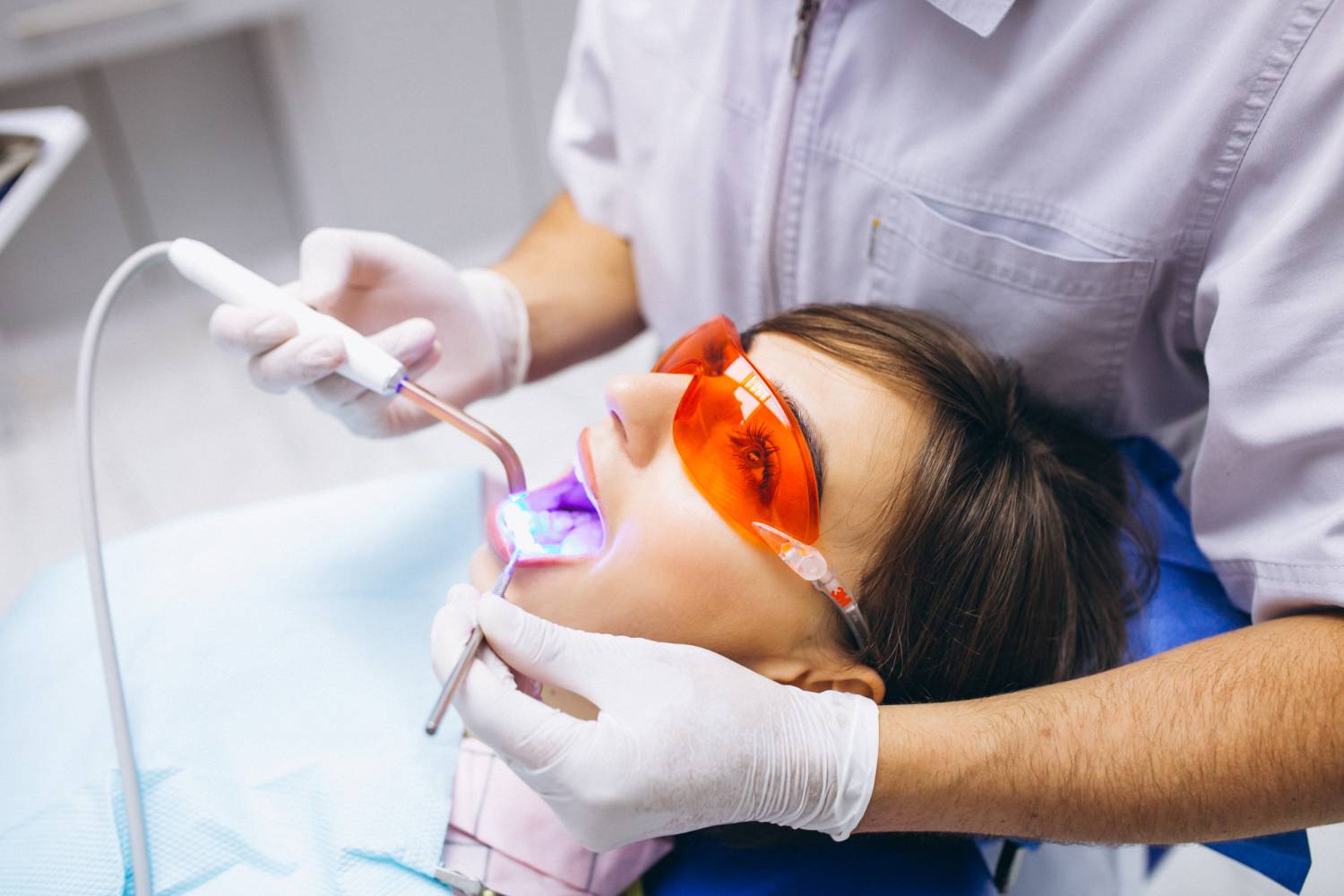

Kids Dentistry vs Regular Dental Care – Why Children Need Specialized Dental Treatment
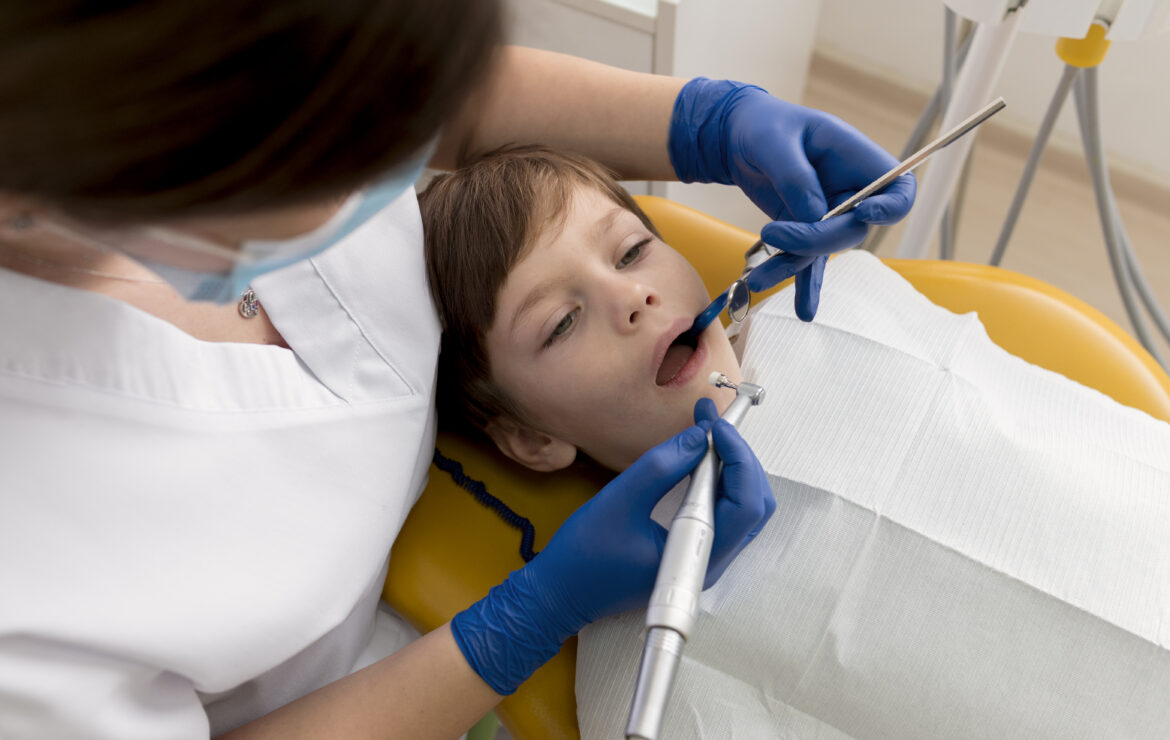
Kids Dentistry vs Regular Dental Care – Why Children Need Specialized Dental Treatment

When parents think about dental care, many assume that a dentist is simply a dentist. But children are not miniature adults, and their dental needs are completely different from grown-ups. Kids Dentistry, also known as Pediatric Dentistry, focuses entirely on the oral health, jaw development, and emotional comfort of children from infancy through teenage years. In Marathi, many parents know it as Pediatric Dentistry, and it plays a huge role in protecting a child’s future smile and confidence.
Table of Contents
A child’s mouth changes rapidly during early growth. Baby teeth appear, jaws expand, permanent teeth erupt, and eating habits evolve almost every year. If these changes are ignored or treated casually, long-term complications may develop. Crooked teeth, speech difficulties, gum problems, infections, and even poor facial growth can begin at an early stage. That is why specialized dental treatment for children is not a luxury. It is a necessity.
At Miracle Dental Clinic Pune, parents receive child-focused dental care designed specifically for growing smiles. The clinic emphasizes preventive care, gentle treatment approaches, and long-term oral health planning. Families can also explore their specialized services through the Treatment Page or schedule an appointment directly through the Contact Page.
Understanding Pediatric Dentistry
What Is Kids Dentistry?
Pediatric Dentistry is a branch of dental science dedicated exclusively to children’s oral health. It focuses on preventive care, early diagnosis, jaw development, cavity prevention, and behavioral management for children. Unlike regular dentistry, pediatric dental treatment is carefully designed according to the emotional and physical development of a child.
Think about how differently children react to medical environments. A normal dental clinic can feel intimidating for adults, so imagine how overwhelming it may feel for a five-year-old child hearing dental instruments for the first time. Pediatric dentists are specially trained to communicate with children in comforting, playful, and friendly ways. They understand child psychology and use age-appropriate methods to reduce fear and anxiety.
Parents often underestimate the value of baby teeth because they eventually fall out. But these teeth act like placeholders for permanent teeth. They support speech development, chewing, nutrition, and jaw alignment. If milk teeth are damaged or removed too early, future dental problems become far more likely. Pediatric dentistry protects these critical developmental stages before permanent complications occur.
At the dental team focuses on preventive pediatric care that helps children maintain healthy smiles while also educating parents about long-term oral health habits.
How Pediatric Dentists Differ from General Dentists
A general dentist usually treats patients across all age groups, but pediatric dentists receive additional training focused specifically on child oral development and behavior management. This difference is significant because children’s dental structures are continuously changing. Their jaws are softer, teeth are more vulnerable, and emotional responses are far more sensitive than adults.
Pediatric dentists know how to identify developmental issues at very early stages. They can monitor tooth eruption patterns, detect bite abnormalities, and prevent orthodontic complications before they become severe. This early intervention saves parents time, money, and stress later in life.
Another important difference is communication style. Children require reassurance, patience, and emotional engagement during treatment. Pediatric dentists often use storytelling, visual demonstrations, reward systems, and calming techniques to make the child feel safe. This positive experience helps children build trust with dental professionals instead of developing lifelong dental fear.
Many parents in Pune now prefer specialized child dental care because early preventive treatment significantly reduces future oral complications. Clinics like Miracle Dental Clinic Pune Instagram regularly share educational content for parents regarding child oral care and preventive dental awareness.
Why Children Need Specialized Dental Care
Growing Teeth and Jaw Development
Children experience rapid oral growth during their early years. The jawbones expand, permanent teeth develop underneath the gums, and facial structures continue evolving. During this period, even small dental problems can affect long-term facial alignment and oral health.
Imagine building a house on an unstable foundation. If the foundation shifts, the entire structure becomes affected. The same principle applies to children’s dental growth. A small cavity, untreated infection, or jaw imbalance during childhood may lead to major orthodontic problems in adulthood.
Pediatric dentists closely monitor growth patterns to identify early warning signs. They evaluate bite positioning, spacing between teeth, jaw symmetry, and chewing patterns. Early correction prevents severe complications later. This is especially important because many jaw alignment problems become much harder to treat after facial growth is complete.
Children also develop habits like thumb sucking, tongue thrusting, mouth breathing, or nail biting. These behaviors may look harmless initially, but they can alter jaw structure and tooth alignment significantly. Pediatric dental specialists understand how to manage these habits before permanent damage occurs.
Parents who regularly schedule child dental checkups often notice improved oral hygiene awareness and healthier eating habits in their children. Consistent monitoring during developmental years creates a strong foundation for lifelong oral health.
Importance of Baby Teeth
One of the biggest misconceptions among parents is that baby teeth are temporary and therefore unimportant. In reality, milk teeth are incredibly important for healthy oral development. They guide permanent teeth into proper positions and maintain the necessary spacing inside the jaw.
When baby teeth are damaged due to cavities or infections, children may experience pain while eating or speaking. This can affect nutrition, confidence, and even school performance. Untreated dental pain often causes children to avoid food, lose concentration, and develop sleep disturbances.
Early tooth loss creates another serious problem. If a milk tooth falls out prematurely, nearby teeth may drift into the empty space. This blocks permanent teeth from erupting properly and often results in overcrowding or crooked teeth later.
Pediatric dentists work to preserve baby teeth for as long as naturally possible. Treatments such as fluoride applications, fillings, sealants, and preventive cleanings help maintain healthy tooth structure during critical developmental years.
According to pediatric dental experts worldwide, preventive treatment during childhood dramatically lowers the risk of complex dental procedures in adulthood. Early care truly acts as a shield for future oral health.
Major Differences Between Kids Dentistry and Regular Dental Care
| Feature | Kids Dentistry | Regular Dental Care |
| Focus | Children and teenagers | Adults and general patients |
| Training | Specialized pediatric training | General dentistry training |
| Environment | Child-friendly and playful | Standard clinical setup |
| Communication | Child psychology focused | Adult communication style |
| Equipment | Smaller child-specific tools | Standard dental tools |
| Preventive Care | High emphasis | Moderate emphasis |
| Growth Monitoring | Essential part of treatment | Limited focus |
Child-Friendly Dental Environment
Children interpret environments emotionally. Bright lights, sharp instruments, and unfamiliar sounds can instantly create fear. Pediatric dental clinics are designed specifically to reduce this anxiety. Colorful interiors, cartoons, toys, and friendly staff create a welcoming atmosphere that helps children relax.
A child-friendly environment is not simply about decoration. It directly influences treatment success. When children feel emotionally safe, they cooperate better during procedures and become more open to oral hygiene education. Positive early experiences also reduce future dental fear significantly.
Parents often notice how differently children behave in specialized pediatric clinics compared to standard dental settings. Smiling staff, calm communication, and playful engagement help children feel comfortable instead of threatened.
At Dr Varsha Merani Orthodontist Instagram, parents can explore educational content about pediatric dental care, orthodontic awareness, and smile development for growing children.
Specialized Dental Equipment for Kids
Children require smaller and gentler dental tools because their mouths and teeth are more delicate. Pediatric clinics use specially designed instruments that improve comfort during treatment and minimize discomfort.
The use of child-specific equipment helps dentists work more precisely while reducing fear. Smaller mirrors, softer polishing tools, low-noise instruments, and gentle suction devices make procedures easier for children to tolerate.
Advanced pediatric dental clinics also use digital imaging systems that expose children to lower radiation levels compared to traditional methods. Safety becomes especially important because children are more sensitive to environmental exposure during developmental years.
Specialized treatment methods also allow pediatric dentists to complete procedures quickly and efficiently. Since children have shorter attention spans and lower patience levels, minimizing treatment time improves cooperation and overall experience.
Behavior Management Techniques
One of the most important skills in pediatric dentistry is behavior management. Children may cry, panic, refuse treatment, or become extremely anxious during dental visits. Pediatric dentists are trained specifically to handle these emotional reactions gently and effectively.
Instead of forcing treatment, they use communication techniques such as “tell-show-do.” First, they explain the procedure in simple language. Then they demonstrate the instrument harmlessly before beginning actual treatment. This builds familiarity and trust.
Positive reinforcement is another common method. Children receive praise, encouragement, or small rewards for cooperation. This transforms dental visits into positive experiences instead of traumatic memories.
Some children require additional emotional support due to special needs, sensory sensitivity, or previous dental trauma. Pediatric specialists understand how to adapt their approach according to each child’s personality and comfort level.
Common Dental Problems in Children
Tooth Decay in Kids
Tooth decay remains one of the most common childhood health problems worldwide. Sugary snacks, chocolates, soft drinks, and improper brushing habits contribute heavily to cavities among children.
Many parents feel surprised when dentists diagnose severe cavities in milk teeth. But baby teeth have thinner enamel compared to permanent teeth, which means decay spreads much faster. A small untreated cavity can quickly become painful and infect the surrounding tissues.
Poor oral hygiene habits often begin early in life. If children are not taught proper brushing techniques, plaque accumulation increases rapidly. Pediatric dentists educate both parents and children about correct brushing methods, flossing habits, and diet management.
Regular dental checkups help identify cavities before they become serious. Early treatment prevents pain, infections, and costly future procedures.
Thumb Sucking and Jaw Issues
Thumb sucking is common among infants and toddlers, but prolonged habits can alter jaw development significantly. Constant pressure from thumb sucking may push front teeth outward and distort bite alignment.
Some children also develop tongue thrusting habits where the tongue pushes against front teeth during swallowing. Over time, this behavior affects speech and tooth positioning.
Pediatric dentists monitor these habits carefully and recommend corrective techniques if necessary. Early intervention reduces the likelihood of requiring extensive orthodontic treatment later.
Jaw development problems are easier to manage during childhood because bones are still growing and adaptable. Waiting too long often increases treatment complexity.
Early Tooth Loss
When children lose baby teeth too early due to trauma or severe decay, permanent teeth may erupt improperly. Space maintainers are often required to preserve alignment until adult teeth emerge.
Without proper space management, neighboring teeth drift into empty spaces and create crowding. This may eventually require braces or orthodontic correction.
Pediatric dentistry focuses heavily on preserving natural tooth spacing and jaw balance throughout childhood development.
Preventive Pediatric Dental Treatments
Fluoride Treatment
Fluoride strengthens tooth enamel and protects teeth from acid attacks caused by bacteria and sugary foods. Pediatric fluoride treatment acts like a protective shield for developing teeth.
Children are especially vulnerable to cavities because their enamel is softer than adult teeth. Professional fluoride applications significantly reduce decay risk and help maintain stronger enamel structure.
Parents should understand that preventive treatment is far easier and less expensive than restorative treatment. A simple fluoride application today may prevent root canals or extractions later.
Dental Sealants
Dental sealants are thin protective coatings applied on chewing surfaces of molars. These areas contain deep grooves where food particles easily become trapped.
Even children who brush regularly may struggle to clean these grooves properly. Sealants create a smooth barrier that blocks bacteria and food accumulation.
Studies consistently show that sealants dramatically reduce cavity formation in children. Pediatric dentists often recommend them soon after permanent molars erupt.
Regular Oral Hygiene Education
Pediatric dentistry is not just about treatment. Education is equally important. Dentists teach children how to brush properly, floss correctly, and make healthier food choices.
Children learn best through interaction and repetition. Pediatric clinics often use demonstrations, educational visuals, and playful teaching methods to encourage oral hygiene habits.
When children develop good habits early, they are far more likely to maintain healthy dental practices throughout adulthood.
Emotional and Psychological Benefits of Pediatric Dentistry
Reducing Fear and Anxiety
Dental anxiety often begins during childhood. A painful or frightening dental experience can create lifelong fear. Pediatric dentists work carefully to ensure children associate dental visits with safety and positivity.
Comfort-focused communication, patience, and child-friendly environments help reduce emotional stress significantly. This emotional support encourages children to seek regular dental care confidently as they grow older.
Parents also feel more relaxed when their child receives gentle and compassionate treatment.
Building Positive Dental Habits
Healthy habits formed during childhood usually continue into adulthood. Children who receive regular preventive dental care are more likely to brush consistently, avoid excessive sugary foods, and attend routine checkups later in life.
Pediatric dentistry helps children understand that oral care is part of overall health rather than something frightening or optional.
These early lessons create lifelong benefits for confidence, appearance, nutrition, and overall wellness.
Choosing the Right Pediatric Dental Clinic in Pune
Why Parents Trust Miracle Dental Clinic Pune
Finding the right pediatric dental clinic requires more than checking qualifications. Parents want a clinic that combines expertise, patience, hygiene, and child-friendly care.
Miracle Dental Clinic Pune has become a trusted choice for families seeking specialized pediatric dental treatment in Pune. The clinic focuses on preventive care, personalized treatment plans, and gentle child-focused dentistry.
Conclusion
Children’s dental care is far more complex than many parents realize. Growing jaws, developing teeth, emotional sensitivity, and lifelong oral habits all require specialized attention that regular dental care alone may not fully provide.
Pediatric dentistry protects not just teeth, but a child’s confidence, comfort, speech, nutrition, and future smile development. Early preventive treatment helps avoid painful complications and expensive corrective procedures later.
Just like a sapling needs special care before becoming a strong tree, a child’s smile also needs dedicated nurturing during its early years. Specialized pediatric dental care creates the foundation for lifelong oral health and confident smiles. Dr. Varsha Merani has become a trusted choice for families seeking specialized pediatric dental treatment in Pune.
FAQs
1. At what age should a child first visit a dentist?
Children should ideally visit a dentist within six months after their first tooth erupts or by their first birthday.
2. Why are baby teeth important if they eventually fall out?
Baby teeth guide permanent teeth into correct positions, support speech development, and help maintain proper jaw growth.
3. How often should children visit a pediatric dentist?
Most children should have dental checkups every six months for preventive monitoring and cleaning.
4. Are cavities in milk teeth dangerous?
Yes. Untreated cavities can cause pain, infection, eating problems, and future alignment issues for permanent teeth.
5. What is the difference between a pediatric dentist and a regular dentist?
A pediatric dentist receives specialized training focused on child oral development, behavior management, and preventive dental care for children.
Related posts



Recent Posts

Best Foods for Strong Teeth and Healthy Gums

Why Do My Teeth Hurt? Common Causes and Solutions

Preventive Dentistry in Pune: Simple Steps for Healthier Teeth