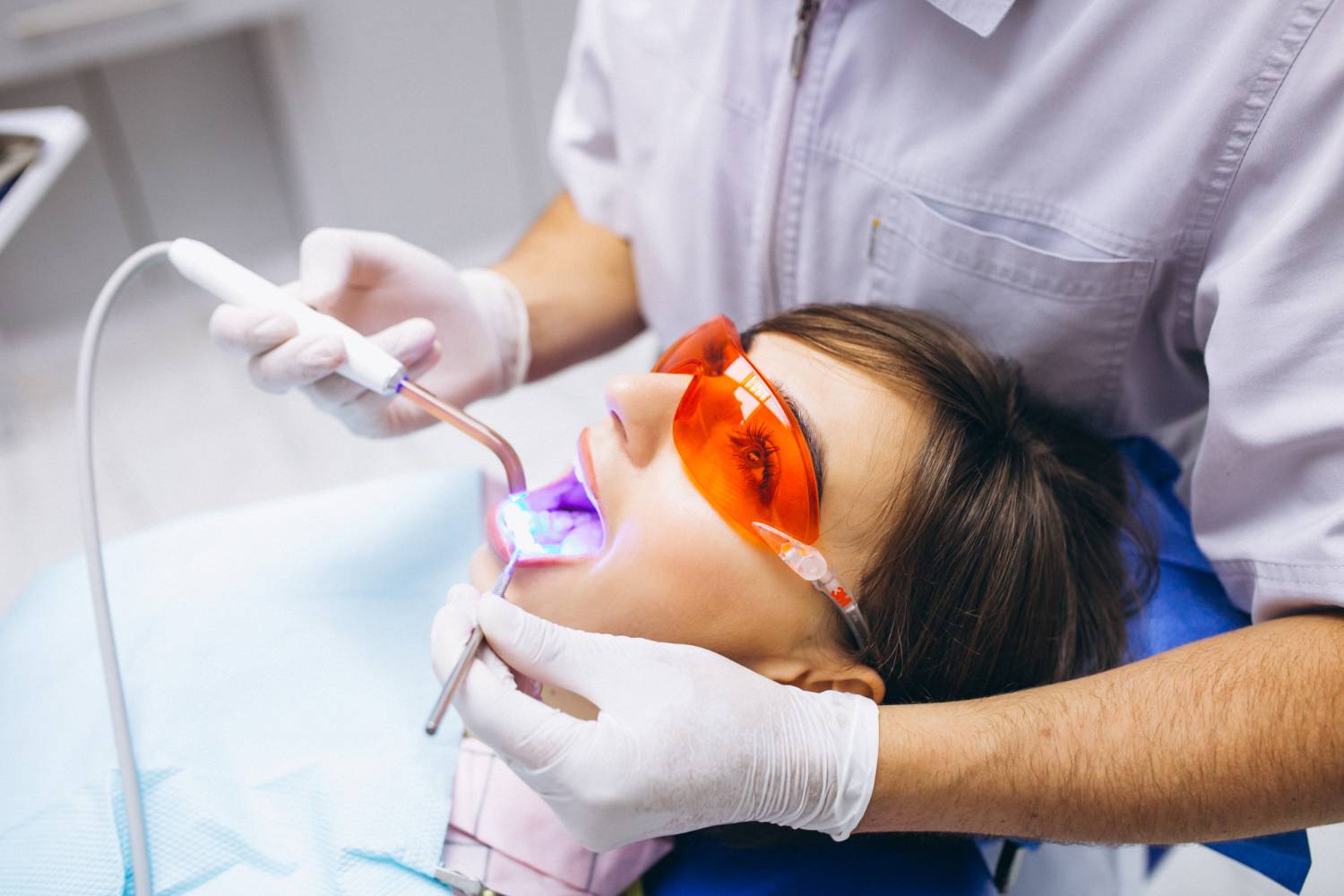

Affordable Dental Bridges Treatment – Restore Your Smile
Affordable Dental Bridges Treatment – Restore Your Smile

Discover affordable Dental Bridges treatment to replace missing teeth and restore your smile, chewing and confidence. Consult a dentist near you. A missing tooth can affect more than the appearance of your smile. It can make chewing uncomfortable, affect speech and allow nearby teeth to shift into the empty space. Dental bridges treatment is one option that can help replace missing teeth and restore better dental function.
If you are searching for affordable dental bridges or a dentist near me, it is important to understand how dental bridges work, what treatment options are available and which type may be suitable for your individual needs.
At Miracle Health Care Zone Dental Clinic | Aligner Specialist | Dr. Varsha Merani, patients can receive personalized dental guidance based on their oral health, the location of missing teeth, supporting teeth, gum condition and treatment requirements.
What Is Dental Bridges Treatment?
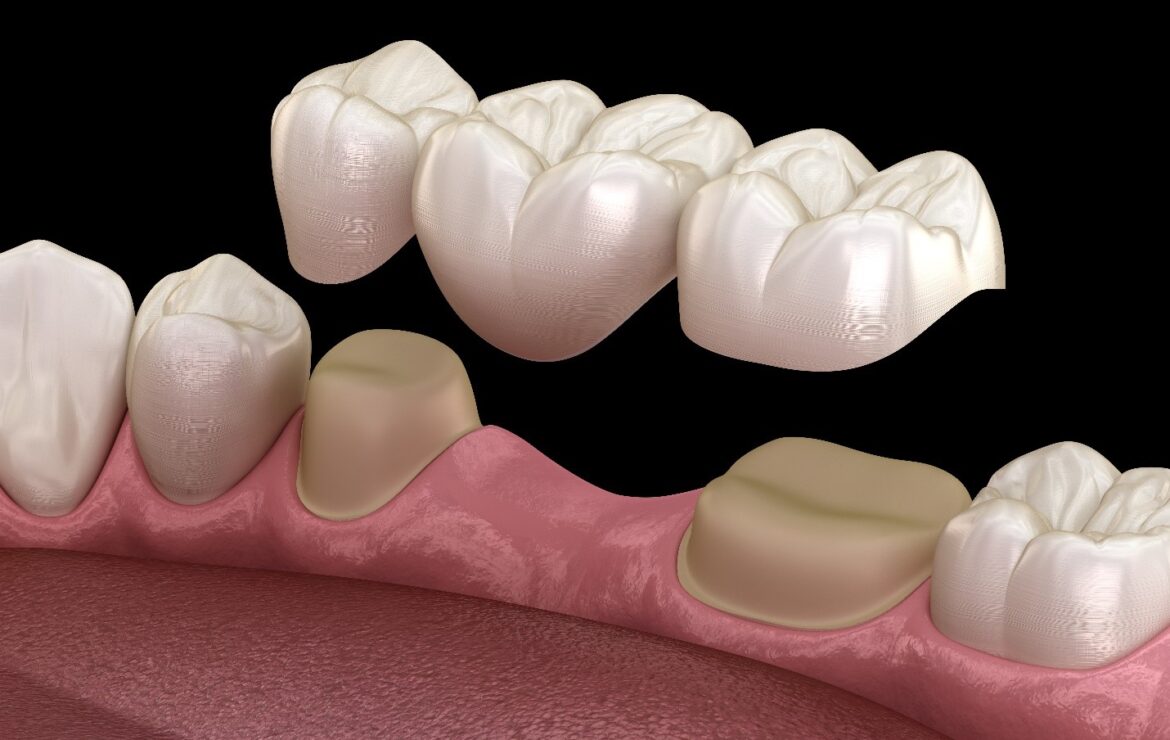
A dental bridge is a fixed dental restoration designed to replace one or more missing teeth.
The artificial replacement tooth is called a pontic. Depending on the type of bridge, it may be supported by neighboring natural teeth or dental implants.
Dental bridges can help:
- Replace missing teeth
- Restore chewing function
- Improve smile appearance
- Support better speech
- Prevent neighboring teeth from shifting
- Restore confidence when smiling
- Improve overall dental function
The right type of bridge depends on the patient’s oral health and the location and number of missing teeth.
Why Consider Dental Bridges?
A missing tooth can gradually affect the way your remaining teeth function. Nearby teeth may move toward the empty space, potentially changing your bite.
Replacing the missing tooth can help restore the balance and function of your smile.
Dental bridges may be considered when you want a fixed replacement instead of a removable denture.
Types of Dental Bridges
Different types of dental bridges are available, and each is designed for specific situations.
1. Traditional Fixed Dental Bridge
A traditional fixed bridge usually uses crowns placed over the teeth adjacent to the missing tooth. These crowns support the artificial tooth between them.
This type of bridge may be appropriate when the neighboring teeth are healthy and strong enough to provide support.
2. Cantilever Dental Bridge
A cantilever bridge is supported by a tooth on only one side of the missing tooth.
It may be considered in selected cases, but it is not suitable for every location because the supporting tooth can experience additional forces.
Your dentist will evaluate your bite and supporting tooth before recommending this option.
3. Implant-Supported Dental Bridge
An implant-supported bridge uses dental implants as support instead of relying primarily on natural teeth.
This can be an option when multiple adjacent teeth are missing or when preserving neighboring teeth is an important consideration.
Implant treatment requires an evaluation of bone and gum health before treatment begins.
Benefits of Affordable Dental Bridges
Dental bridges can provide several benefits when appropriately planned and maintained.
Restore Your Smile
A missing tooth can make you feel uncomfortable when smiling or speaking. A well-designed bridge can fill the visible gap and create a more complete smile.
Improve Chewing
Missing teeth can make it harder to chew certain foods. Replacing the missing tooth can help improve chewing function.
Support Speech
Teeth play an important role in producing certain sounds. Replacing missing teeth may help improve speech affected by tooth loss.
Maintain Tooth Position
When a tooth is missing, surrounding teeth may gradually move toward the empty space. A bridge can help maintain the space and support better tooth positioning.
Fixed Replacement
Unlike removable dentures, a fixed dental bridge is designed to remain in place.
Who May Need Dental Bridge Treatment?
Dental bridges may be considered for people who have:
- One missing tooth
- Multiple adjacent missing teeth
- Difficulty chewing because of tooth loss
- A visible gap affecting their smile
- Teeth that have been lost because of decay, injury or other dental conditions
- A desire for a fixed tooth replacement
However, not every patient is automatically suitable for every type of dental bridge.
A dental examination is necessary before treatment.
What Makes Dental Bridges Affordable?
The cost of dental bridges depends on the individual treatment plan rather than one fixed price.
Factors that may influence the cost include:
- Number of missing teeth
- Type of dental bridge
- Material selected
- Condition of supporting teeth
- Gum health
- Need for additional dental treatment
- Whether implants are required
- Overall complexity of the case
A traditional bridge may involve fewer treatment stages than an implant-supported bridge, but the most suitable option should be selected based on oral health rather than price alone.
Your dentist can explain the available options and provide an individualized treatment estimate.
Dental Bridge Treatment Process
The treatment process varies depending on the type of bridge.
Step 1: Dental Consultation
Your dentist examines the missing tooth area and evaluates your teeth, gums and bite.
Step 2: Diagnostic Assessment
Dental X-rays or other imaging may be recommended to assess the supporting teeth and surrounding structures.
Step 3: Treatment Planning
Your dentist discusses suitable bridge options, expected results, treatment stages and costs.
Step 4: Preparing the Supporting Teeth
For a traditional bridge, the supporting teeth may need to be prepared to accommodate the crowns.
Step 5: Dental Impression or Digital Scan
An impression or digital scan may be taken to design the bridge accurately.
Step 6: Bridge Placement
Once the final restoration is ready, the bridge is placed and adjusted for fit, comfort and bite.
For implant-supported bridges, implant placement and healing are completed before the final bridge is attached.
How Long Does Dental Bridge Treatment Take?
The treatment timeline depends on the type of bridge, condition of the supporting teeth and whether additional procedures are required.
Traditional bridges can often be completed in fewer stages than implant-supported restorations.
Implant-supported bridges generally require additional healing time because the implant needs to integrate with the jawbone before the final restoration is placed.
Your dentist can provide a more accurate timeline after examining your teeth.
Are Dental Bridges Comfortable?
A properly fitted dental bridge should feel comfortable during normal daily activities.
It may take some time to become accustomed to the new restoration. Your dentist can make adjustments if the bite feels uncomfortable or the bridge does not feel properly positioned.
If you experience persistent pain, sensitivity or discomfort, contact your dentist for an evaluation.
How Long Can a Dental Bridge Last?
The lifespan of a dental bridge depends on factors such as:
- Oral hygiene
- Gum health
- Supporting tooth health
- Bite forces
- Type and quality of restoration
- Regular dental check-ups
- Daily habits
Good oral hygiene and professional dental care can help maintain both the bridge and the surrounding teeth.
How to Care for Your Dental Bridge
Proper maintenance is essential after dental bridge treatment.
Brush Twice Daily
Use a soft-bristled toothbrush and fluoride toothpaste to clean your teeth and bridge.
Clean Around the Bridge
Food particles can collect around and underneath the bridge. Your dentist may recommend floss threaders, interdental brushes or other cleaning aids.
Maintain Gum Health
Healthy gums are important for the long-term success of dental restorations.
Attend Regular Dental Check-Ups
Regular examinations allow your dentist to monitor the bridge, supporting teeth and gums.
Avoid Hard Objects
Do not use your teeth or bridge to open packages, bite pens or chew excessively hard objects.
Dental Bridges vs Dental Implants
Both dental bridges and implants can replace missing teeth, but they work differently.
A traditional dental bridge generally uses neighboring teeth for support, while a dental implant is placed into the jawbone and can support a crown or bridge.
Dental Bridge
- Usually requires fewer treatment stages
- Can provide a fixed tooth replacement
- Uses neighboring teeth for support
- May be suitable when adjacent teeth require crowns
Dental Implant
- Does not normally require preparation of neighboring healthy teeth for an individual implant
- Provides support through the jawbone
- Can replace a single tooth or support multiple teeth
- Requires implant placement and healing
Your dentist can help determine which option is appropriate for your oral health.
Is Affordable Dental Bridge Treatment Right for You?
A dental bridge may be suitable if you want to replace a missing tooth with a fixed restoration and have adequate supporting teeth or suitable implant support.
However, factors such as gum disease, weakened supporting teeth, insufficient bone for implants or an unfavorable bite may affect treatment choices.
The best way to determine your options is through an in-person dental evaluation.
Why Choose Professional Dental Care for Missing Teeth?
Choosing treatment based only on the lowest price may not provide the best long-term outcome.
A professional dental evaluation allows your dentist to:
- Identify the cause of tooth loss
- Examine supporting teeth
- Check gum health
- Assess your bite
- Evaluate bone support when required
- Compare suitable treatment options
- Explain treatment costs
- Develop a personalized treatment plan
Affordable treatment should also focus on appropriate planning, quality restoration and long-term oral health.
Looking for a Dentist Near Me?
If you are searching for a dentist near me for missing teeth, dental bridges or other restorative treatments, Miracle Health Care Zone Dental Clinic can help you understand your available options.
The clinic also provides orthodontic care for patients searching for a braces specialist near me, braces specialist in Viman Nagar, or an orthodontist in Pune.
Whether you need dental restoration or orthodontic treatment, the appropriate approach depends on your individual dental condition.
Conclusion
Affordable dental bridges treatment can be an effective option for replacing missing teeth, improving chewing function and restoring the appearance of your smile.
Traditional fixed bridges, cantilever bridges and implant-supported bridges each have different advantages and requirements. The most appropriate option depends on your individual dental condition.
If you are looking for a dentist near me, dental bridges near me, or a trusted dental clinic in Viman Nagar, schedule a consultation to discuss your missing-tooth replacement options.
Miracle Health Care Zone Dental Clinic | Aligner Specialist | Dr. Varsha Merani can help you understand suitable dental restoration and orthodontic treatment options based on your needs.
Book a Dental Consultation Today and Take the Next Step Toward a Healthier, More Confident Smile.
Frequently Asked Questions
1. What is the cost of dental bridges?
The cost varies according to the type of bridge, materials, number of missing teeth and additional treatment required. A personalized estimate can be provided after a dental examination.
2. Are dental bridges cheaper than implants?
In many cases, traditional bridges may have a lower initial treatment cost than implants. However, treatment costs vary depending on the patient’s individual requirements.
3. How many teeth can a dental bridge replace?
Depending on the design and supporting structures, a bridge can replace one or multiple adjacent missing teeth. Your dentist will determine what is appropriate for your case.
4. Is a dental bridge permanent?
A dental bridge is designed as a fixed restoration, but it can still require repair or replacement over time depending on oral hygiene, wear, supporting teeth and other factors.
5. Can a dental bridge look natural?
Yes. Modern dental bridges can be designed to closely match the color, shape and appearance of surrounding teeth.
6. Can I eat normally with a dental bridge?
A properly fitted bridge can restore chewing function. Your dentist may recommend certain precautions, particularly immediately after treatment.
7. How do I clean under a dental bridge?
Food can collect beneath the artificial tooth. Your dentist can recommend the appropriate flossing technique, floss threader or interdental cleaning device for your bridge.
8. Should I choose a bridge or dental implant?
The right option depends on your supporting teeth, gum health, bone condition, number of missing teeth, treatment preferences and overall oral health.
Related posts


Recent Posts

Best Foods for Strong Teeth and Healthy Gums

Why Do My Teeth Hurt? Common Causes and Solutions

Preventive Dentistry in Pune: Simple Steps for Healthier Teeth