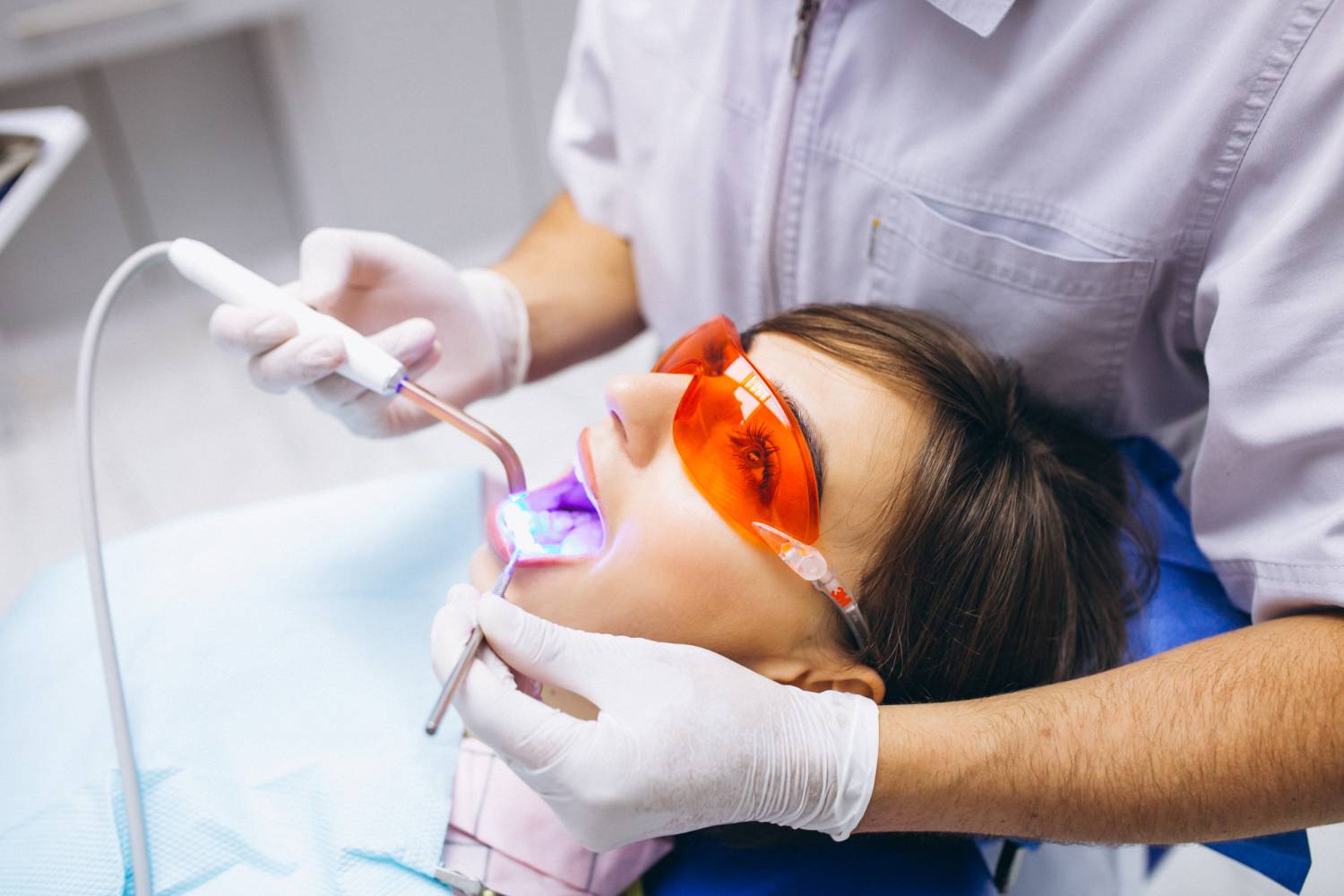

Dental Crowns: Fix Damaged Teeth Fast
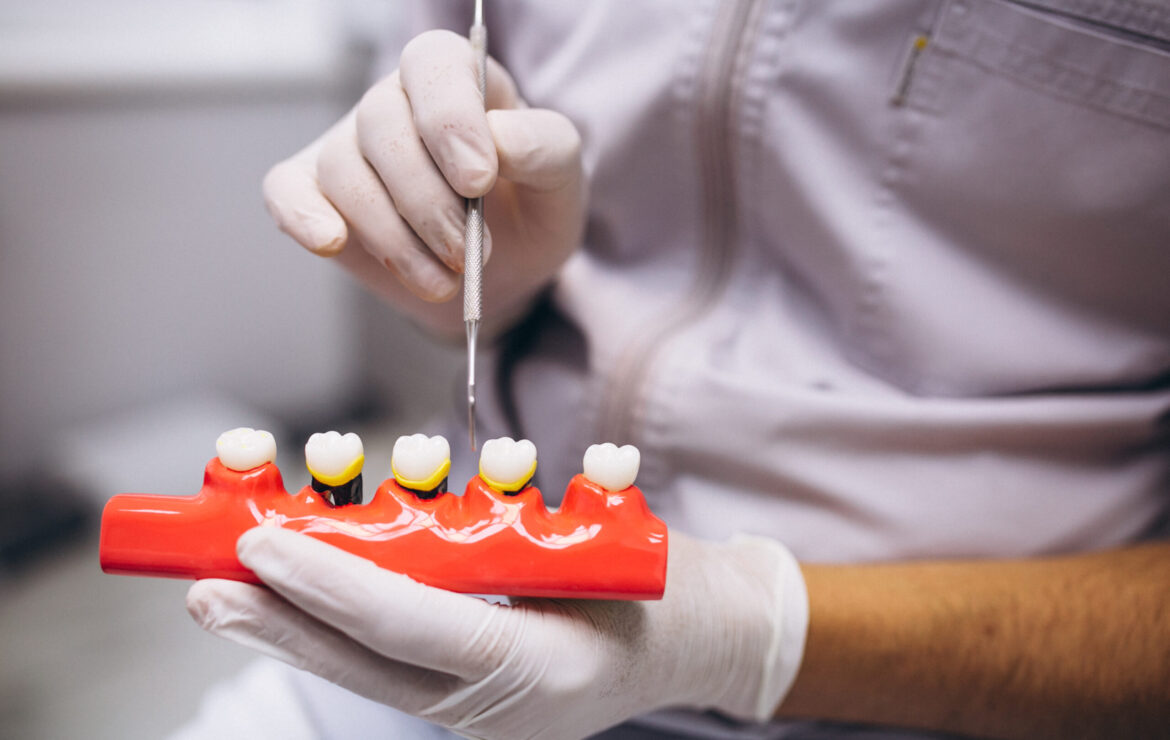
Dental Crowns: Fix Damaged Teeth Fast

Introduction to Dental Crowns
Dental crowns are one of the most effective and commonly used treatments in modern dentistry. If you have a damaged, weak, or discolored tooth, a dental crown can restore its strength, shape, and appearance.
Simply put, a dental crown is like a “cap” placed over a tooth to protect and enhance it. Whether it’s due to decay, injury, or cosmetic reasons, dental crowns provide a reliable and long-lasting solution.
What Are Dental Crowns?
Dental crowns are custom-made caps designed to cover a tooth completely. They restore the tooth’s:
- Shape
- Size
- Strength
- Appearance
They are made from different materials such as porcelain, ceramic, metal, or zirconia, depending on your needs.
Why Dental Crowns Are Needed
Dental crowns are recommended in several situations:
- To protect weak or cracked teeth
- To restore broken or worn-down teeth
- After a root canal treatment
- To cover dental implants
- For cosmetic improvements
Types of Dental Crowns
There are various types of dental crowns available.
Porcelain Crowns
Natural-looking and ideal for front teeth.
Ceramic Crowns
Highly aesthetic and metal-free.
Metal Crowns
Very strong and durable but less aesthetic.
Zirconia Crowns
Combines strength and appearance—very popular today.
Porcelain-Fused-to-Metal Crowns
Offers both durability and a natural look.
Procedure for Getting Dental Crowns
Understanding the process can make you feel more comfortable.
Initial Consultation
The dentist examines your tooth and recommends a crown.
Tooth Preparation
The tooth is reshaped to fit the crown.
Temporary Crown
A temporary crown is placed while the permanent one is made.
Final Crown Placement
The custom crown is fitted and cemented in place.
10 Powerful Benefits of Dental Crowns
Dental crowns offer multiple benefits.
1. Restores Tooth Strength
Protects weak teeth from breaking.
2. Improves Appearance
Enhances the look of damaged or discolored teeth.
3. Protects Weak Teeth
Prevents further damage.
4. Supports Dental Bridges
Acts as anchors for bridges.
5. Covers Dental Implants
Completes implant treatments.
6. Long-Lasting Solution
Can last many years with proper care.
7. Enhances Chewing Ability
Improves functionality.
8. Prevents Further Damage
Stops cracks from worsening.
9. Natural Look
Matches your natural teeth.
10. Boosts Confidence
Gives you a complete and confident smile.
Who Needs Dental Crowns?
Damaged or Broken Teeth
Crowns restore strength and function.
Root Canal Treated Teeth
Protects the treated tooth from fracture.
Cosmetic Improvements
Improves shape, color, and alignment.
Dental Crowns vs Fillings
Key Differences
| Feature | Dental Crowns | Fillings |
|---|---|---|
| Coverage | Full tooth | Partial |
| Strength | High | Moderate |
| Durability | Long-lasting | Less durable |
Which Option is Better?
If the damage is minor, fillings work. For severe damage, crowns are the better option.
Care and Maintenance of Dental Crowns
Daily Oral Hygiene
- Brush twice daily
- Floss regularly
- Use mouthwash
Foods to Avoid
- Hard foods
- Sticky candies
- Ice chewing
Risks and Complications
Tooth Sensitivity
Common after placement but temporary.
Crown Damage
Avoid hard foods to prevent cracks.
Cost of Dental Crowns
Factors Affecting Cost
- Material used
- Dentist’s expertise
- Clinic location
- Additional treatments required
How Long Do Dental Crowns Last?
With proper care, dental crowns can last 10 to 15 years or more.
Tips for Choosing the Right Dentist
Experience and Expertise
Choose a skilled and experienced dentist.
Modern Technology
Advanced tools ensure better accuracy and comfort.
FAQs
1. Are dental crowns painful?
No, the procedure is done under anesthesia.
2. How long does the procedure take?
Usually 2 visits.
3. Can crowns fall off?
Rarely, but they can be re-cemented.
4. Do crowns look natural?
Yes, especially porcelain and ceramic crowns.
5. Can I eat normally after getting a crown?
Yes, after a short adjustment period.
6. Are dental crowns safe?
Yes, they are a common and safe dental treatment.
External Resource
Learn more about dental crowns:
https://www.mouthhealthy.org/en/az-topics/c/crowns
Conclusion
Dental crowns are a powerful solution for restoring damaged teeth and improving your smile. They provide strength, durability, and a natural appearance, making them a popular choice in modern dentistry.
If you have a damaged or weak tooth, dental crowns can help you regain both function and confidence. Consult your dentist to explore the best option for your needs.
Related posts

Recent Posts

Best Foods for Strong Teeth and Healthy Gums

Why Do My Teeth Hurt? Common Causes and Solutions

Preventive Dentistry in Pune: Simple Steps for Healthier Teeth