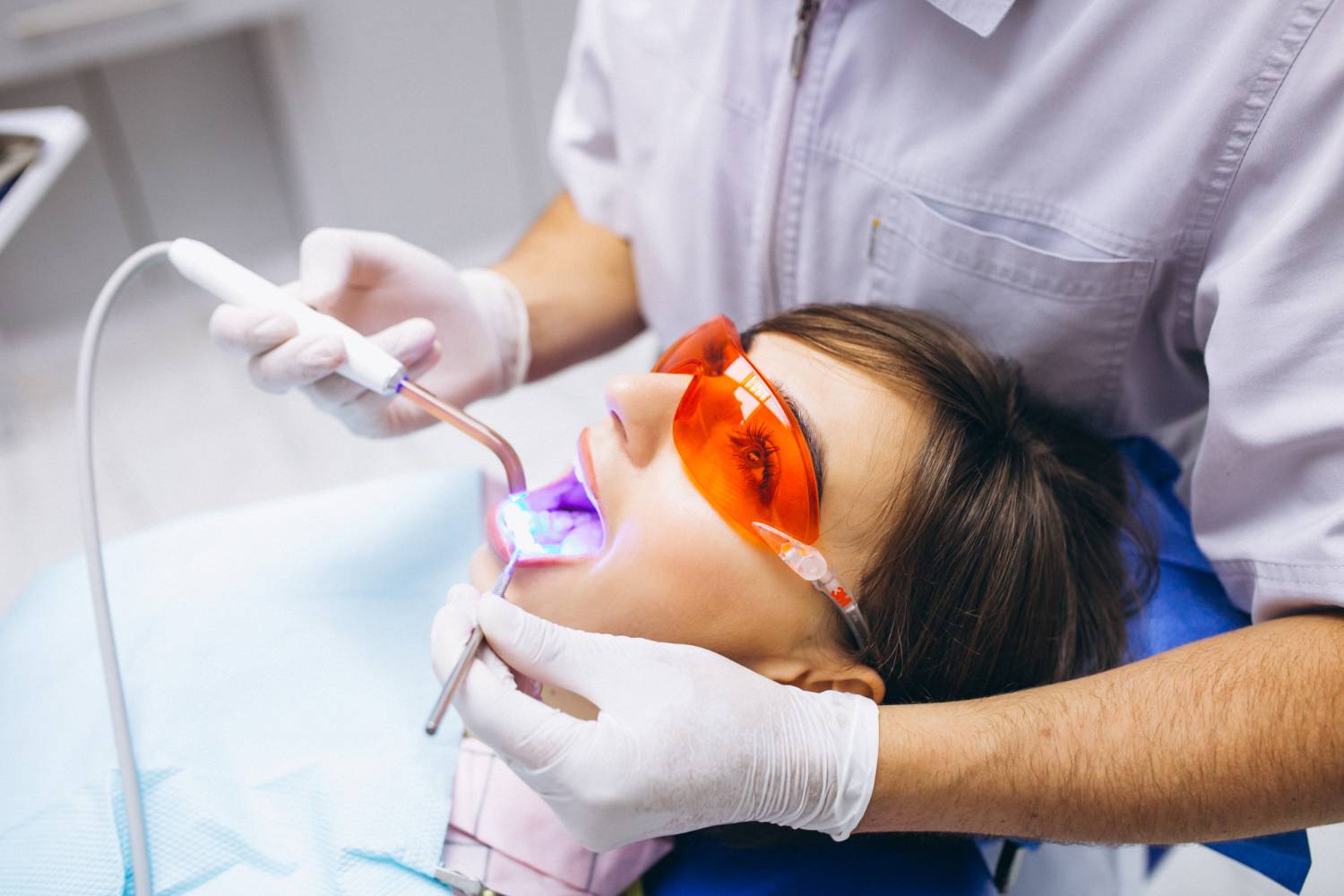

Invisible Braces vs Metal Braces – Comfortable Teeth Alignment Solutions in Pune

Invisible Braces vs Metal Braces – Comfortable Teeth Alignment Solutions in Pune

A straight smile is no longer just about appearance. Today, properly aligned teeth are connected with confidence, oral hygiene, jaw comfort, speech clarity, and even long-term dental health. Many people in Pune are now exploring orthodontic treatment options because they want a smile that feels natural and looks attractive without affecting their lifestyle. The most common question patients ask is simple: should you choose invisible braces or traditional metal braces?
The answer depends on several factors including the complexity of your dental issue, your budget, your profession, your comfort level, and how disciplined you are with treatment. Some patients want completely hidden treatment that fits seamlessly into their daily life. Others prefer a proven, reliable option that works efficiently even for severe alignment problems.
At Miracle Dental Clinic Pune, patients receive personalized orthodontic guidance based on their dental condition and lifestyle goals. Whether you are considering clear aligners or traditional braces, understanding the differences can help you make a confident decision.
Why Teeth Alignment Matters More Than Ever
A beautiful smile has become one of the first things people notice during conversations, interviews, meetings, and social interactions. In a city like Pune where students, working professionals, entrepreneurs, and families are becoming increasingly aware of dental aesthetics, orthodontic treatments are no longer considered luxury procedures. They are viewed as long-term investments in confidence and health. Crooked teeth, gaps, bite issues, and overcrowding can affect more than appearance. They can create cleaning difficulties that lead to plaque buildup, gum problems, tooth decay, and even jaw discomfort over time.
Think of your teeth like tiles on a floor. When they are uneven and crowded, dirt accumulates in hard-to-reach corners. The same thing happens inside your mouth. Properly aligned teeth are easier to clean and maintain. This reduces the risk of oral infections and supports healthier gums. Many people also experience better chewing efficiency and improved speech after orthodontic correction. It is not uncommon for adults in their late twenties, thirties, or even forties to finally seek braces because they want both cosmetic and functional improvement.
Social confidence also plays a major role. Many people avoid smiling openly in photos or public situations because they feel self-conscious about their teeth. Orthodontic treatment changes that mindset completely. Patients often report feeling more confident during presentations, weddings, interviews, and daily interactions. According to global orthodontic studies, the demand for clear aligners has significantly increased in recent years because adults want discreet treatment options while maintaining professional appearances.
If you are planning orthodontic treatment in Pune, exploring your options through the can help you understand available solutions and personalized care options.
Understanding Invisible Braces
Invisible braces, commonly called clear aligners, have transformed modern orthodontics. Unlike traditional braces that use wires and brackets, clear aligners use transparent removable trays designed specifically for your teeth. These trays gradually shift teeth into their ideal position over time using controlled pressure. Since they are transparent, most people barely notice them during conversations or meetings.
One of the biggest reasons people choose invisible braces is aesthetics. Teenagers, college students, corporate professionals, public speakers, and social media creators often prefer aligners because they do not want visible metal brackets affecting their appearance. Imagine attending a wedding, giving a presentation, or taking photographs without anyone noticing your orthodontic treatment. That convenience is one of the strongest selling points of invisible braces.
The treatment process usually begins with digital scans and smile planning. Orthodontists create a sequence of aligners that patients wear for approximately 20 to 22 hours daily. Every few weeks, the patient switches to a new set of aligners as the teeth gradually move into better alignment. Since the trays are removable, eating and brushing become easier compared to traditional braces. Patients can remove aligners while eating their favorite foods and maintain oral hygiene more comfortably.
Comfort is another major advantage. Traditional braces sometimes cause irritation due to metal wires rubbing against the cheeks and lips. Clear aligners are smoother and generally more comfortable. There are no emergency visits for broken wires or loose brackets either. This makes aligners especially attractive for busy individuals with hectic schedules.
Still, invisible braces are not perfect for everyone. They work best for mild to moderate orthodontic issues such as small gaps, slight crowding, and minor bite corrections. Severe jaw alignment problems or highly rotated teeth may still require metal braces for more precise movement control. A professional consultation is necessary before deciding which treatment fits your dental condition.
Patients can also explore smile transformation updates through the real-world insights and treatment experiences.
Understanding Traditional Metal Braces
Metal braces have been one of the most trusted orthodontic treatments for decades. Even though clear aligners are gaining popularity, metal braces remain highly effective and reliable, especially for complicated dental corrections. Traditional braces use metal brackets attached to teeth along with archwires that apply consistent pressure to gradually move teeth into alignment.
Some people still imagine bulky braces from older generations, but modern braces are smaller, lighter, and far more comfortable than before. Orthodontic technology has evolved significantly. Today’s braces are designed to improve precision while reducing discomfort during treatment. Orthodontists can make highly controlled adjustments that allow efficient correction of severe overcrowding, bite issues, jaw misalignment, and rotated teeth.
One major advantage of metal braces is that they work continuously. Since they are fixed to the teeth, there is no dependence on patient discipline like aligners. Clear aligners only work properly when worn consistently for long hours. Patients who frequently remove them may experience delayed results. Metal braces eliminate that risk because the treatment stays active at all times.
Another important factor is versatility. Severe orthodontic conditions often need stronger corrective force and detailed control that aligners may not fully provide. Patients with major bite irregularities, complex crowding, or jaw positioning issues often achieve better long-term outcomes with braces. Orthodontists generally recommend braces when precision tooth movement is critical.
Cost is another reason metal braces remain popular in Pune. In many cases, traditional braces are more affordable than premium clear aligner systems. Families seeking budget-friendly orthodontic treatment often find braces to be a practical solution without compromising effectiveness.
Dr. Varsha Merani’s orthodontic updates and smile correction insights can also be explored through where patients can learn more about orthodontic care and smile transformations.
Major Differences Between Invisible Braces and Metal Braces
Choosing between invisible braces and metal braces is not just about appearance. It involves comfort, maintenance, treatment complexity, cost, discipline, and long-term convenience. Both treatments aim to achieve healthier and straighter teeth, but the patient experience differs significantly.
| Feature | Invisible Braces | Metal Braces |
| Appearance | Nearly invisible | Clearly visible |
| Comfort | Smooth trays, less irritation | Possible wire discomfort |
| Removability | Removable | Fixed |
| Food Restrictions | Minimal | Several restrictions |
| Oral Hygiene | Easier brushing | More challenging cleaning |
| Severe Corrections | Limited in complex cases | Highly effective |
| Discipline Required | Very high | Lower |
| Cost | Usually higher | Usually more affordable |
Appearance is one of the biggest deciding factors. Clear aligners are preferred by adults and professionals because they maintain a natural look during treatment. Metal braces are more noticeable, though many younger patients enjoy customizing them with colored bands.
Comfort also differs greatly. Aligners are smoother and more flexible, while braces can sometimes irritate soft tissues inside the mouth after adjustments. Food restrictions are another major difference. Patients with braces often need to avoid sticky candies, popcorn, chewing gum, and hard foods to prevent damage. Aligners can simply be removed during meals.
Treatment effectiveness is where braces still dominate in difficult cases. Think of metal braces like heavy-duty engineering tools designed for complex structural correction. Clear aligners are more like precision cosmetic tools ideal for controlled and moderate improvements. Orthodontists evaluate each patient carefully before recommending the right option.
Who Should Choose Invisible Braces?
Invisible braces are an excellent choice for people who prioritize appearance, flexibility, and convenience. Adults working in professional environments often prefer aligners because they allow orthodontic treatment without affecting confidence during social or workplace interactions. College students, models, influencers, actors, and public-facing professionals frequently choose aligners for this reason.
Patients with mild to moderate crowding, spacing, or bite issues are usually ideal candidates for clear aligners. If your dental correction requires subtle movement rather than aggressive structural adjustment, aligners may provide excellent results. They are also suitable for disciplined individuals who can commit to wearing them consistently every day.
One underrated benefit of aligners is lifestyle freedom. Imagine eating your favorite foods without worrying about brackets breaking or food getting trapped in wires. Patients can remove aligners during meals, maintain easier brushing habits, and continue daily routines with fewer interruptions. This flexibility appeals to many adults who value convenience.
Travelers and busy professionals also appreciate the reduced number of emergency orthodontic visits. Since there are no wires or brackets, aligners usually involve fewer unexpected appointments. Digital planning also allows patients to preview projected smile improvements before treatment even begins, which creates excitement and motivation.
Still, patient responsibility matters enormously. Aligners only work effectively when worn for the recommended hours. Skipping usage delays progress and affects results. Individuals who struggle with consistency may experience better outcomes with fixed braces instead.
Who Should Choose Metal Braces?
Metal braces remain the gold standard for severe and complicated orthodontic corrections. Patients with extreme crowding, jaw irregularities, rotated teeth, deep overbites, underbites, or crossbites often benefit more from traditional braces than clear aligners.
Children and teenagers are commonly advised to use braces because compliance becomes less of an issue. Since braces stay attached to teeth, there is no risk of forgetting to wear them. Parents often feel reassured knowing treatment remains active continuously without depending entirely on discipline.
Another major advantage is predictable control. Orthodontists can fine-tune movement with precision during regular adjustments. This makes braces highly effective for complex tooth positioning and jaw alignment problems. In many severe cases, braces deliver faster and more reliable results than aligners.
Cost-sensitive patients also frequently choose metal braces because they are generally more affordable than advanced clear aligner systems. Orthodontic treatment is a long-term investment, and many families prefer a proven treatment option that balances effectiveness with financial practicality.
People who are not concerned about visible brackets may actually find braces easier overall because there is no need to remember wearing trays or cleaning aligners constantly. For many patients, braces simply become part of daily life until treatment is completed.
Lifestyle Comparison Between Both Treatments
Daily life with invisible braces feels very different from life with traditional braces. Your eating habits, cleaning routine, comfort levels, and social interactions can all change depending on the treatment you choose.
Invisible braces offer tremendous flexibility. You remove them while eating, so there are almost no food restrictions. Whether you enjoy crunchy snacks, pizza crusts, nuts, or traditional Indian foods, you can continue eating normally after removing your aligners. This freedom is especially appreciated during festivals, celebrations, weddings, and social outings.
Braces require more caution. Sticky foods, hard candies, chewing gum, and crunchy items can damage brackets or bend wires. Patients must adapt their eating habits to avoid emergency visits. While this adjustment becomes manageable over time, it still requires attention.
Oral hygiene also differs significantly. Aligners make brushing and flossing easier because they are removable. Braces demand more detailed cleaning around brackets and wires. Without proper care, plaque buildup and staining can occur around the brackets. Orthodontists usually recommend special brushes and flossing tools for braces patients.
Comfort during sports and physical activities can also matter. Aligners generally feel less intrusive, while braces may require mouthguards during contact sports to prevent injuries from brackets. Speech adaptation varies too. Some aligner users notice temporary speech changes initially, though most adjust within days.
Ultimately, lifestyle compatibility often becomes the deciding factor for adults choosing between the two options.
Treatment Duration and Results
Many patients ask the same question before beginning orthodontic treatment: how long will it take? The answer depends on the complexity of your case, treatment consistency, age, and biological response.
Mild orthodontic corrections with aligners may take as little as 6 to 12 months. More complex aligner treatments may extend beyond 18 months. Metal braces typically require 18 to 36 months depending on the severity of the condition. Severe jaw alignment problems can take longer regardless of the treatment method.
One important thing to understand is that orthodontic treatment is not a race. Teeth move through bone gradually and safely. Trying to rush the process can compromise stability and long-term health. Orthodontists focus on controlled movement to ensure durable results.
Consistency plays a huge role with aligners. Patients who fail to wear trays properly often experience delays. Metal braces avoid this issue because treatment remains continuously active. Follow-up appointments, oral hygiene, and dietary habits also influence treatment progress.
The final outcome matters more than speed alone. A properly aligned smile improves confidence, oral health, and facial balance for years to come. Patients frequently describe orthodontic treatment as life-changing because of the emotional confidence it creates after completion.
Choosing the Right Orthodontist in Pune
Selecting the right orthodontist is just as important as selecting the treatment itself. A highly experienced orthodontic team evaluates your facial structure, bite pattern, jaw alignment, oral health, and lifestyle before recommending treatment.
Good orthodontic care is never one-size-fits-all. Some clinics push aligners aggressively because they are trendy, while others may default to braces without considering aesthetic concerns. A trusted orthodontist explains both options honestly and recommends the most suitable approach based on your actual dental needs.
Digital smile planning, patient communication, transparent treatment timelines, hygiene standards, and follow-up care are all important factors to consider. Reading patient reviews, viewing before-and-after cases, and attending a proper consultation can help you make an informed choice.
Conclusion
Invisible braces and metal braces both offer powerful solutions for achieving a healthier and straighter smile. The right choice depends on your dental condition, personal preferences, lifestyle expectations, and budget. Clear aligners provide exceptional aesthetics, convenience, and flexibility for mild to moderate corrections. Metal braces continue to deliver unmatched effectiveness for severe orthodontic issues and complex bite corrections.
There is no universal winner between the two treatments because every smile is different. Some patients value invisibility and comfort above everything else, while others prioritize maximum corrective power and affordability. A proper orthodontic consultation helps identify the most effective path for long-term results.Clinics like Miracle Dental Clinic Pune focus on patient comfort, painless procedures, and customized treatment planning to make every dental visit stress-free.
A confident smile can influence personal relationships, career opportunities, social comfort, and overall self-esteem. Whether you choose invisible braces or traditional braces, investing in orthodontic treatment is ultimately an investment in yourself. Dr. Varsha Merani has become a trusted choice for families seeking specialized pediatric dental treatment in Pune.
FAQs
1. Are invisible braces painful?
Invisible braces may cause mild pressure when switching to new aligners, but they are generally considered more comfortable than traditional braces because they do not involve metal wires or brackets.
2. Which option is faster: clear aligners or metal braces?
The treatment duration depends on the complexity of the case. Mild cases may be corrected faster with aligners, while severe orthodontic problems often respond better to metal braces.
3. Can adults wear metal braces?
Yes, adults can absolutely wear metal braces. Many adults choose braces for effective correction of severe alignment or bite issues.
4. Are invisible braces expensive in Pune?
Clear aligners are usually more expensive than traditional braces because of digital planning technology and customized tray manufacturing.
5. How do I know which treatment is right for me?
A professional orthodontic consultation is the best way to determine the ideal treatment. Your orthodontist will assess your bite, tooth alignment, jaw structure, and lifestyle needs before recommending the most suitable option.
Related posts


Recent Posts

Best Foods for Strong Teeth and Healthy Gums

Why Do My Teeth Hurt? Common Causes and Solutions

Preventive Dentistry in Pune: Simple Steps for Healthier Teeth